Three thousand years of history run through Mithila: the Videha kingdom of Sita and the philosopher-kings; the medieval dynasties of Karnat, Oiniwar and Darbhanga; the colonial split at Sugauli; and a living movement for recognition today.
Deep dives
-
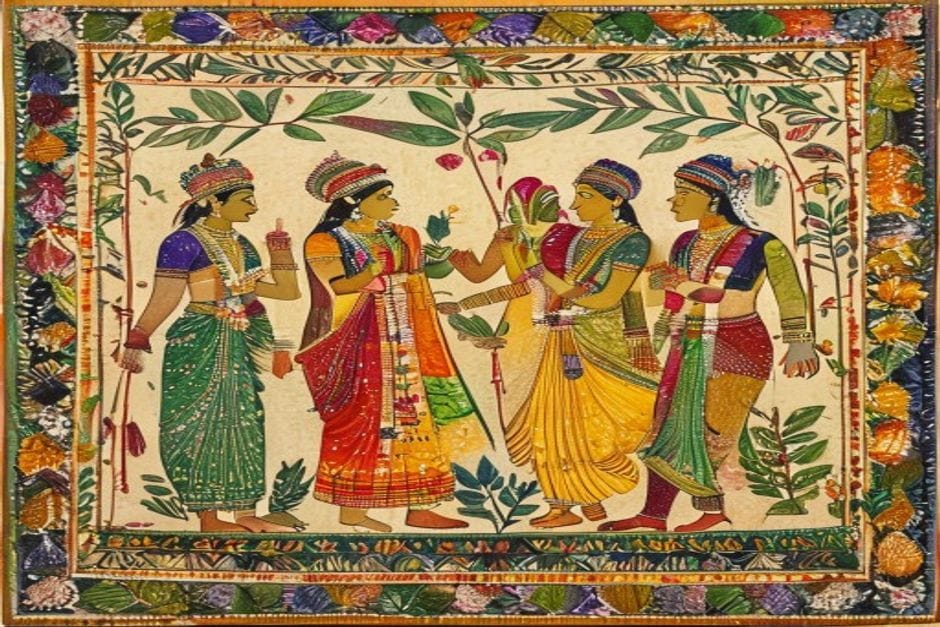
The Darbhanga Raj (Khandavala Dynasty)
The Maithil-Brahmin house that ruled Mithila from Akbar's grant of 1557 to the abolition of zamindari after independence — at its height one of the largest and richest estates in British India.
-
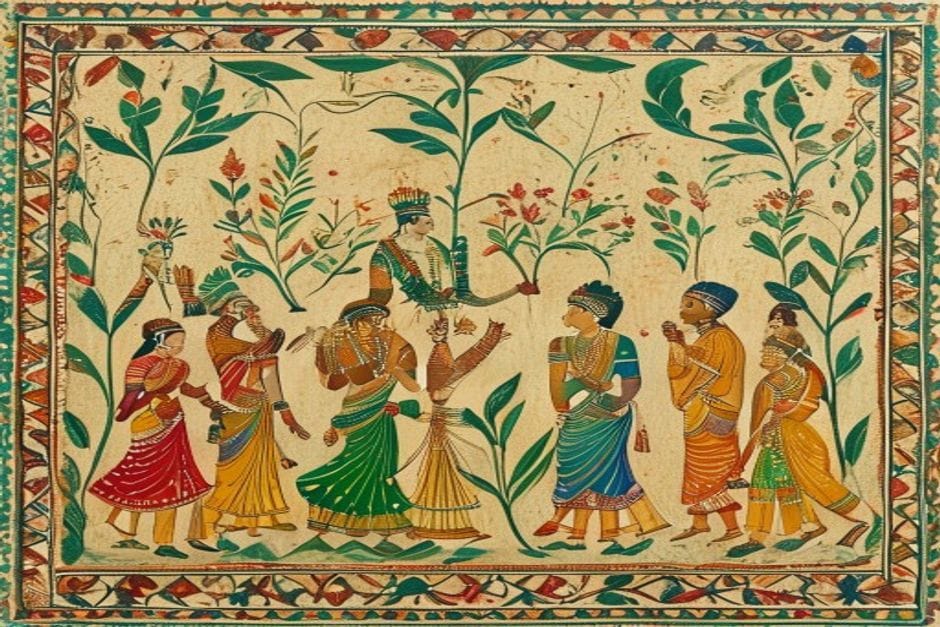
The Karnat Dynasty of Mithila
The medieval kingdom founded by Nanyadeva in 1097, ruled from the citadel of Simraungadh, that gave Mithila its first great age of unity and scholarship before falling to the Tughlaqs.
-
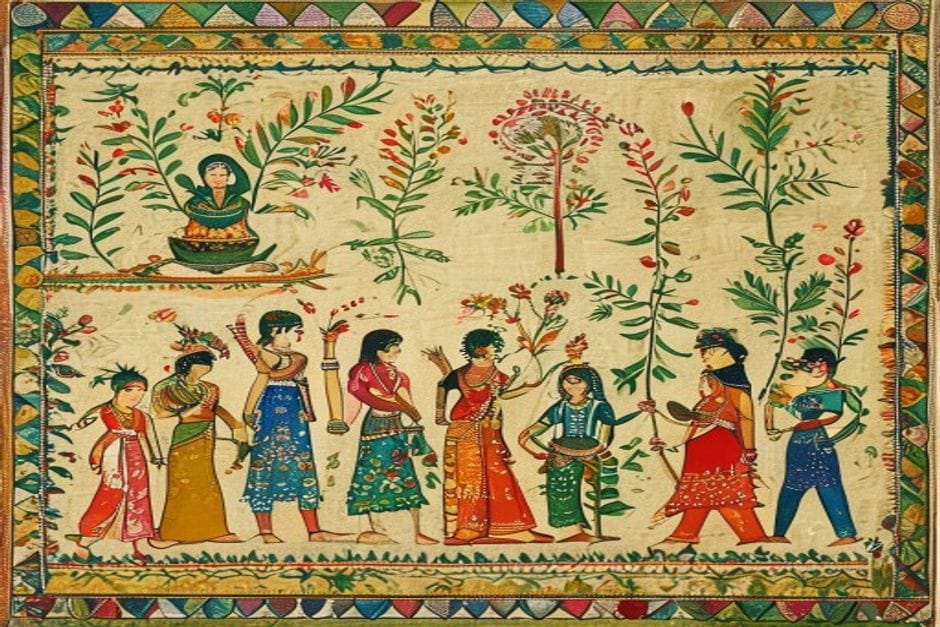
The Making of Modern Mithila and the Statehood Movement
From Bihar's birth in 1912 to the Eighth-Schedule recognition of Maithili in 2003, the modern story of Mithila as a region asserting a distinct identity — and demanding its own state.
-
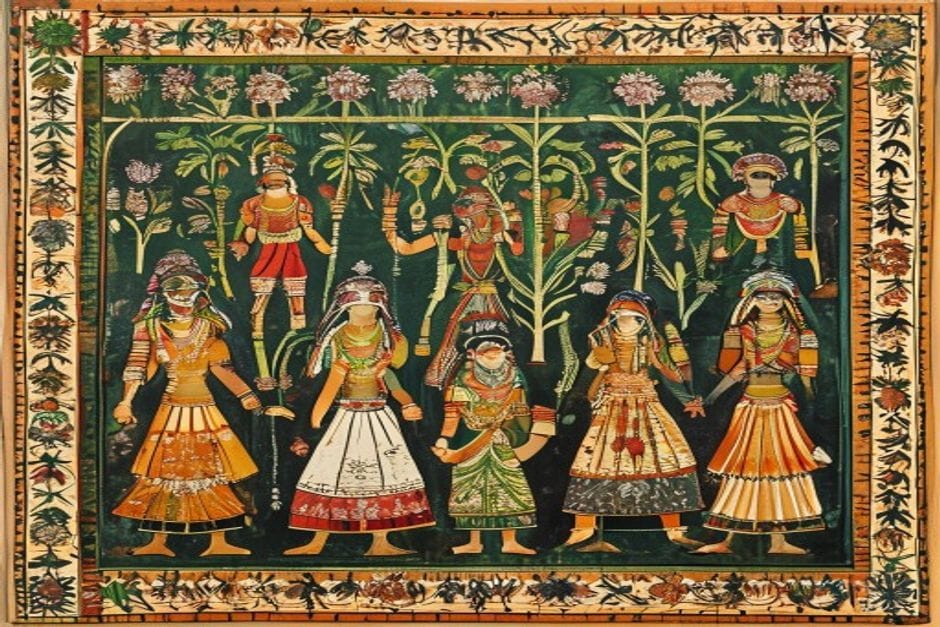
The Oiniwar (Sugauna) Dynasty
The Maithil-Brahmin dynasty that ruled Mithila from c. 1325 to 1526 and presided over the golden age of Maithili literature, above all the poetry of Vidyapati.
-
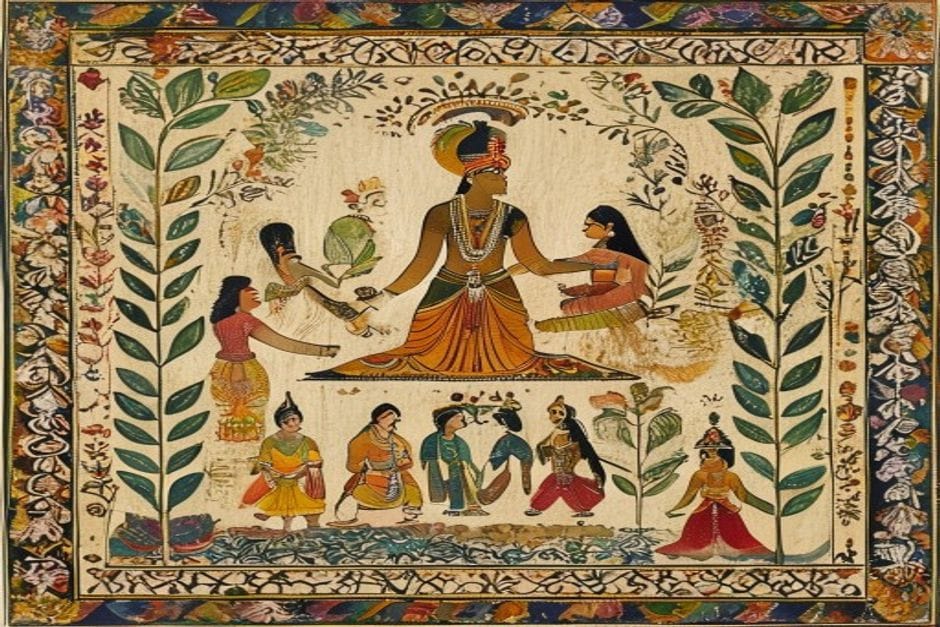
The Panji Prabandh — Mithila's Genealogical Archive
The unique system of written genealogies, begun in the 14th century, that has recorded the lineages of Maithil Brahmins and Kayasthas for some seven hundred years.
-
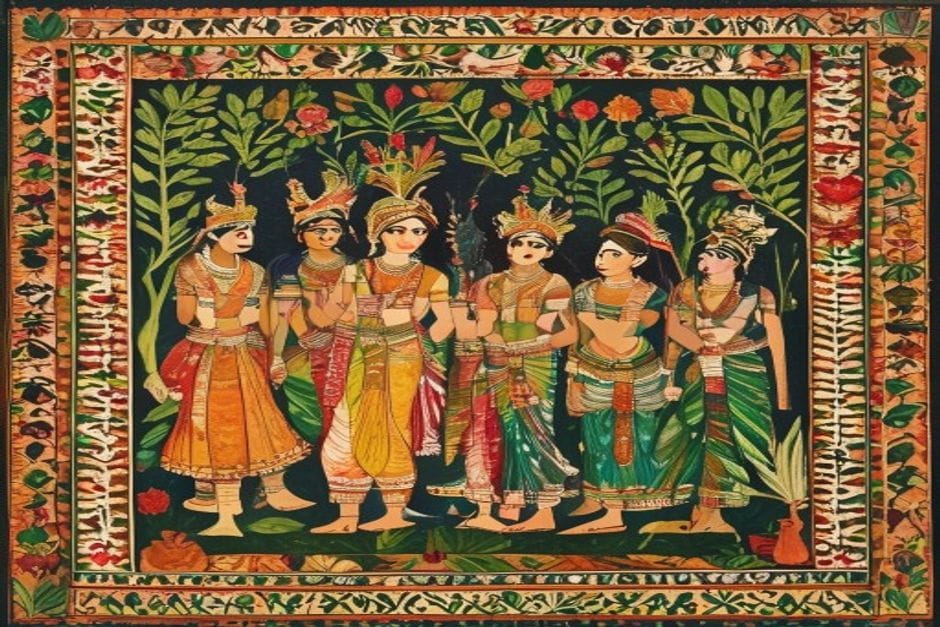
The Videha Kingdom and the Janaka Kings
Mithila's earliest historical kingdom — the late-Vedic realm of Videha, whose philosopher-king Janaka made his court the crucible of Upanishadic thought.
The timeline
- 1100 BCE
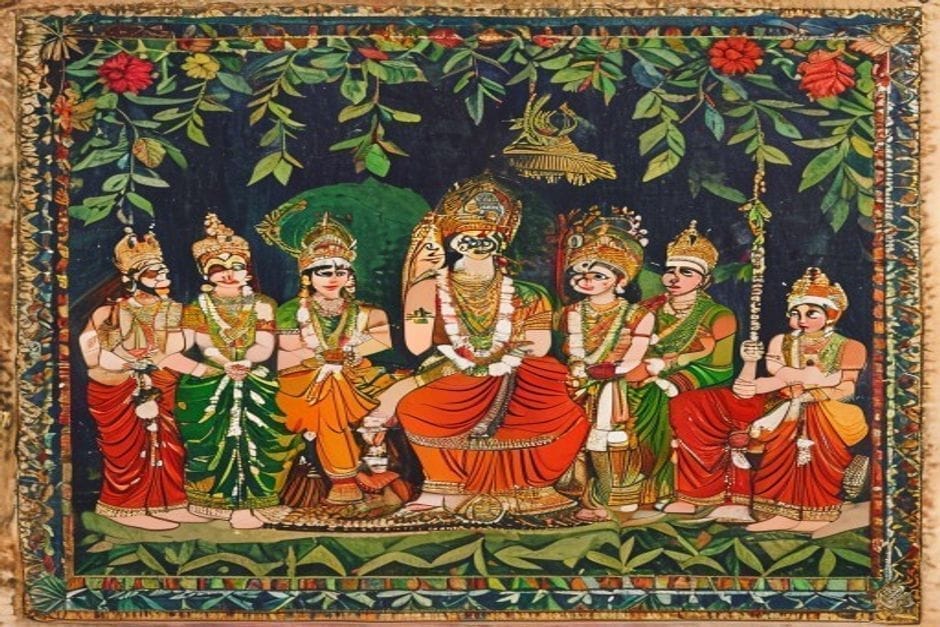
The Videha kingdom & King Janaka
Mithila rises as the kingdom of Videha, ruled by a line of philosopher-kings titled 'Janaka'. The court of King Janaka — father of Sita — draws sages such as Yajnavalkya and Gargi.
📍 Mithila (Janakpur) - 600 BCE
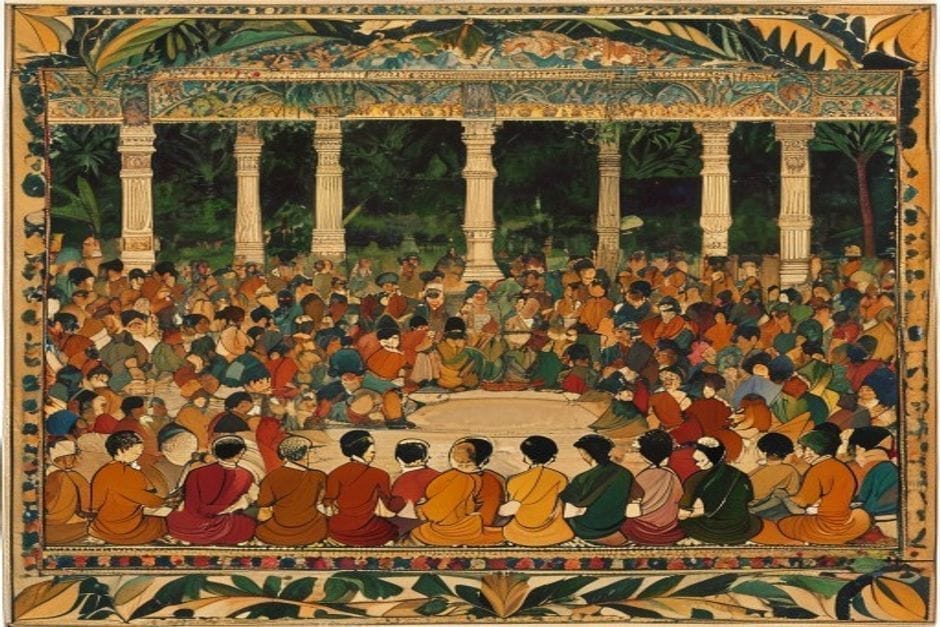
From kingdom to republic
After the monarchy ends, Videha becomes part of the Vajji confederacy centred on Vaishali — among the earliest experiments in republican government.
- 540 BCE
Mahavira & the age of the great teachers
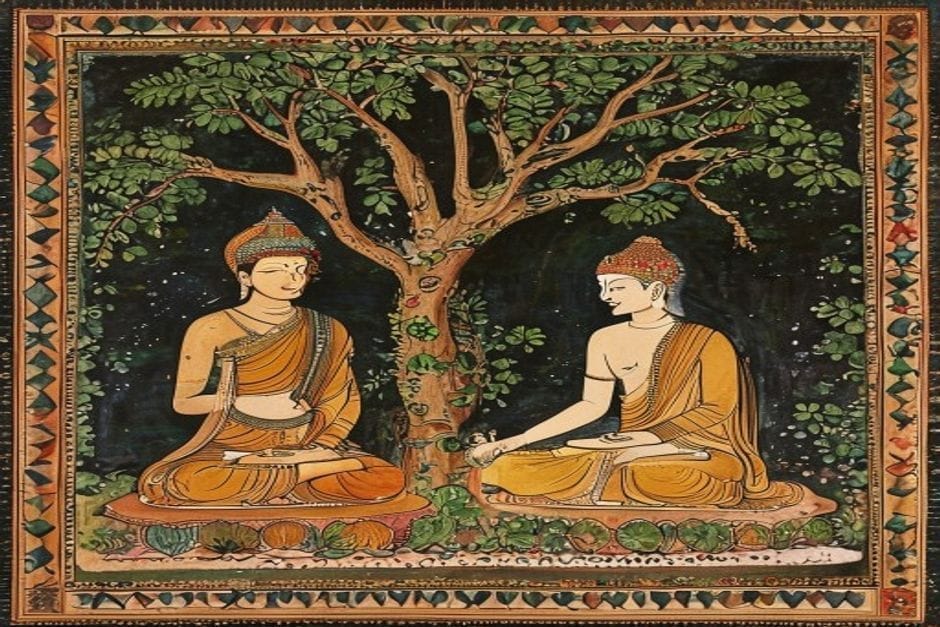
Vardhamana Mahavira, the 24th Jain Tirthankara, is born (traditionally in the 6th century BCE) at Kundagrama near Vaishali, in the Vajji republic. The Buddha too preaches and spends rains-retreats at Vaishali, making the Mithila plains a cradle of India's new philosophies.
📍 Vaishali - 468 BCE
Absorbed by Magadha
Ajatashatru of Magadha defeats the Vajji league; Mithila is folded into the Magadhan empire.
- 1097 CE
The Karnat dynasty
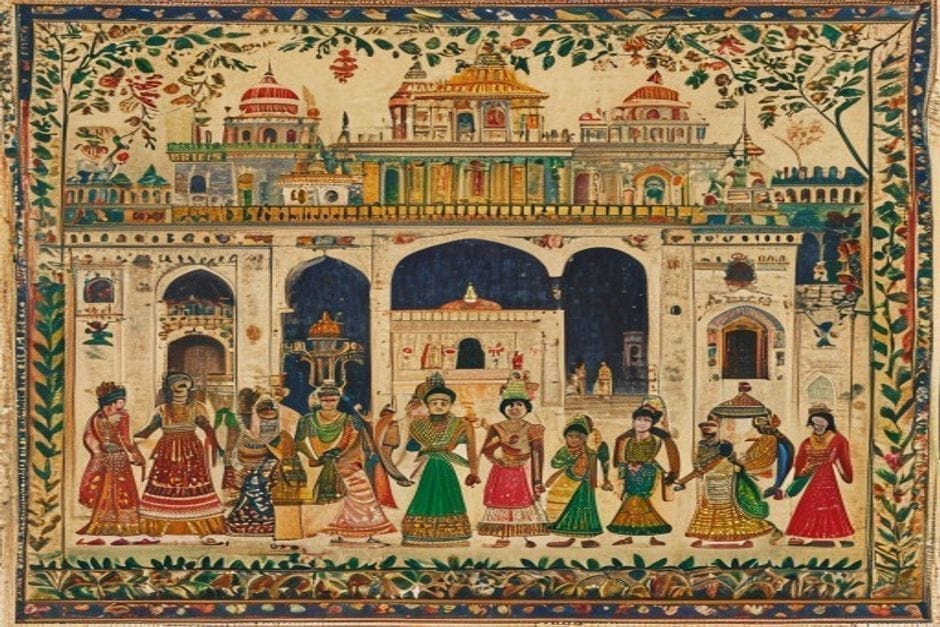
Nanyadeva founds the Karnat dynasty with its capital at Simraungadh on today's India–Nepal border, beginning a cultural golden age.
📍 Simraungadh - 1324 CE
Varna Ratnakara & the Panji
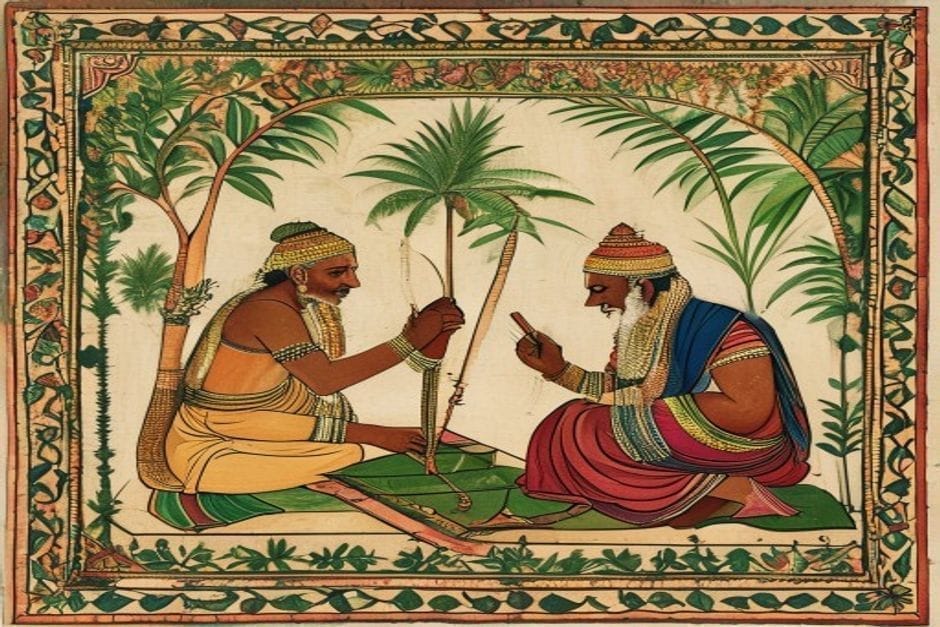
Jyotirishwar Thakur writes the Varna Ratnakara — the oldest Maithili prose, and among the earliest prose in any modern Indian language. The Panji genealogical system is instituted.
- 1325 CE
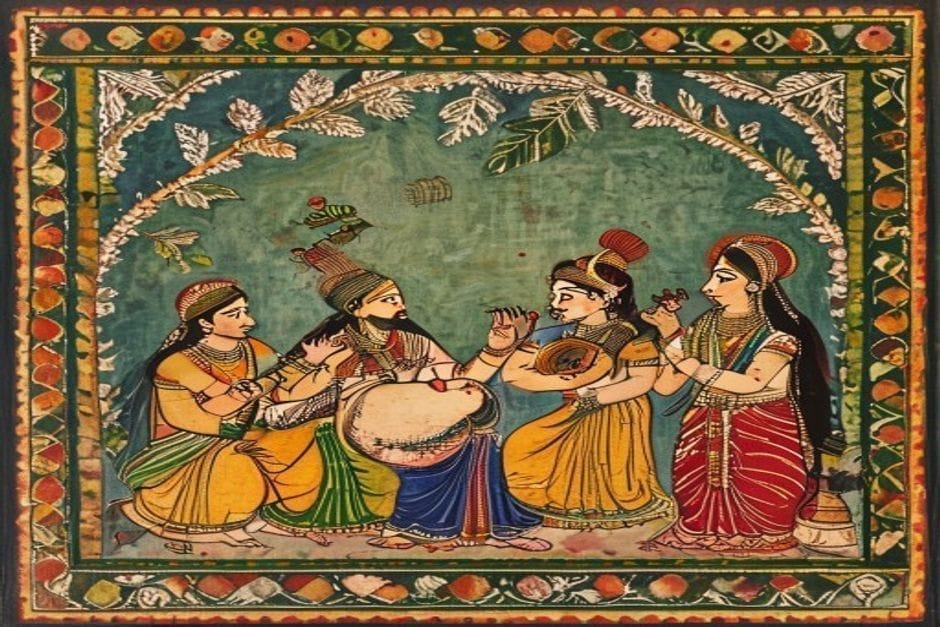
The Oiniwar dynasty & Vidyapati
Under the Maithil-Brahmin Oiniwar kings, the poet Vidyapati composes his Padavali, transforming Maithili into a literary language.
- 1557 CE
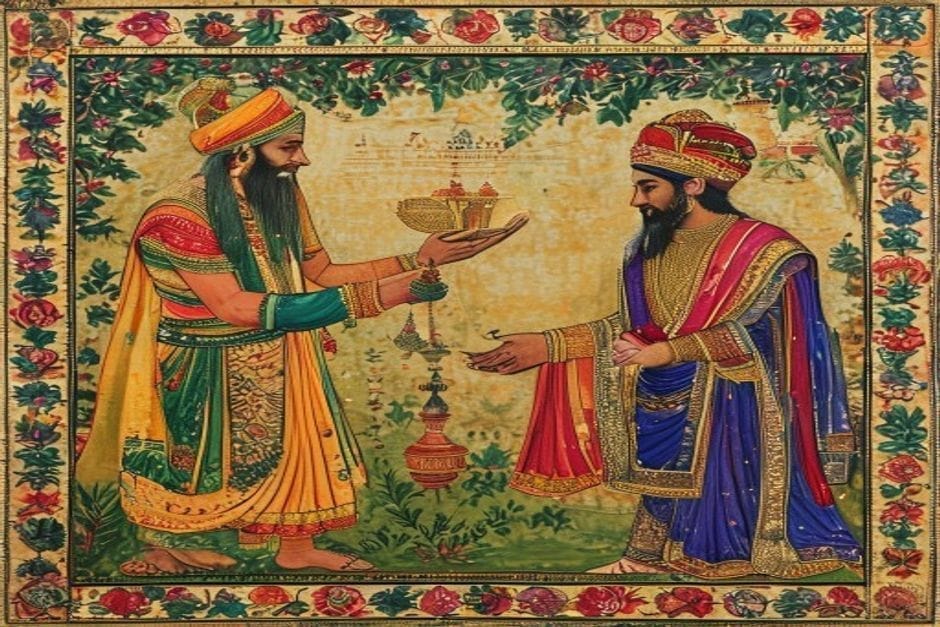
The Darbhanga Raj
Mahesh Thakur, granted authority by Emperor Akbar, founds the Khandavala (Darbhanga Raj) dynasty — which becomes the largest and richest zamindari of north Bihar.
📍 Darbhanga - 1816 CE
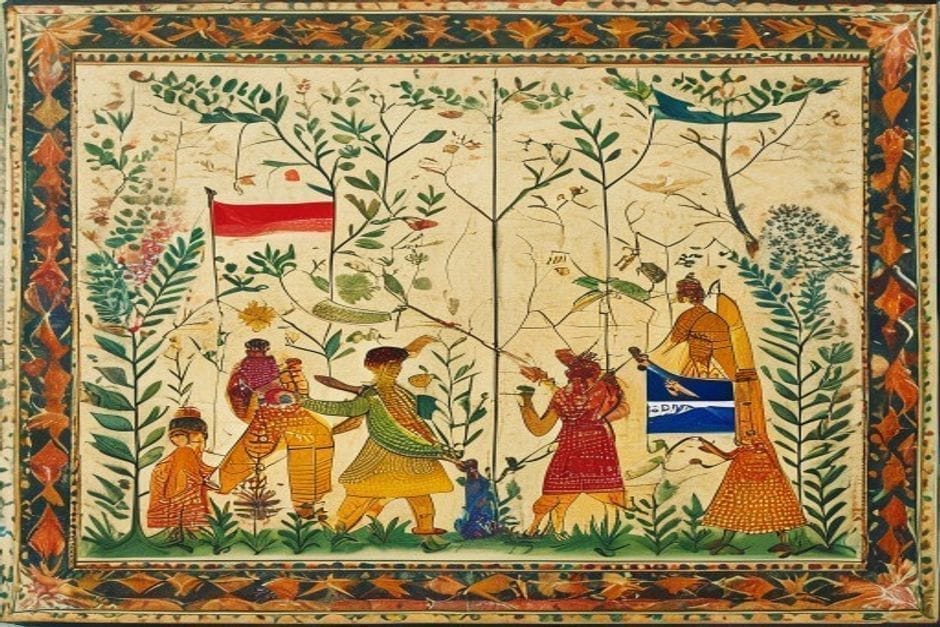
The Treaty of Sugauli
The Anglo-Nepalese War ends; the treaty fixes the border that splits historic Mithila between British India and Nepal.
- 1874 CE
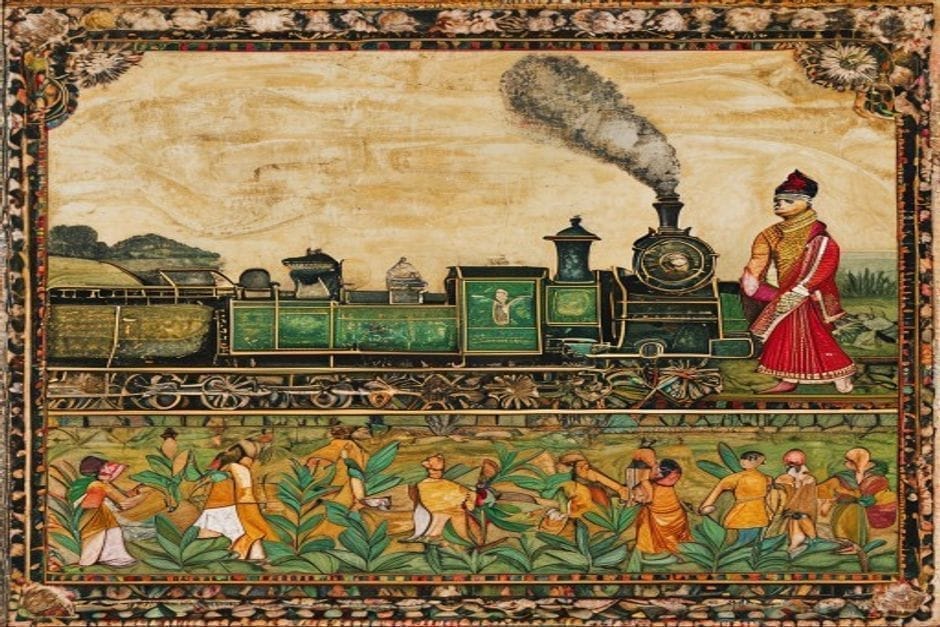
The Tirhut Railway
Maharaja Lakshmeshwar Singh launches the Tirhut Railway, often called India's first private railway, alongside schools, hospitals and famine relief.
- 1898 CE
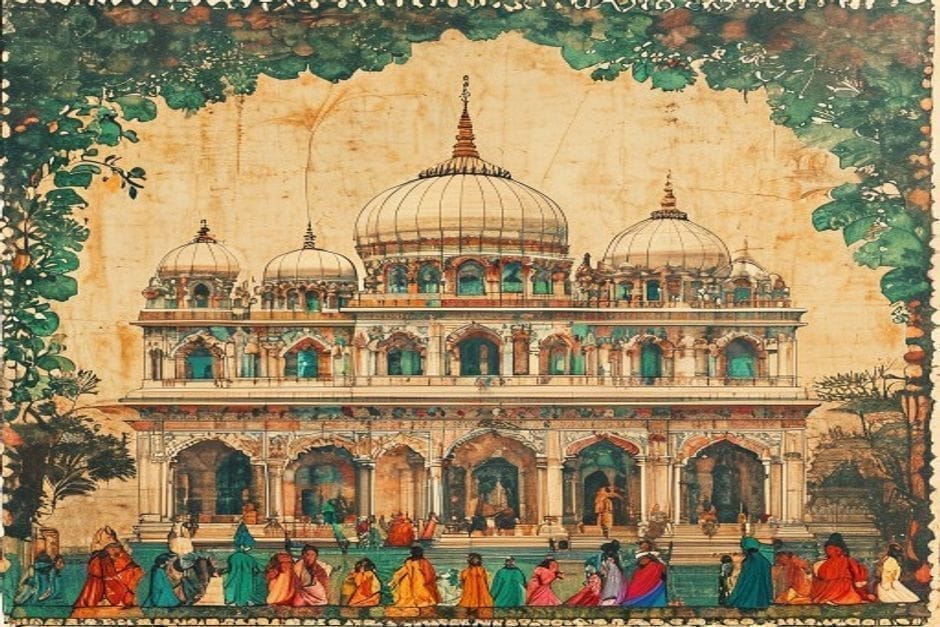
Janaki Mandir at Janakpur
Queen Vrisha Bhanu of Tikamgarh funds the great marble Janaki Mandir on the spot held to be Sita's home — the grandest temple of the Mithila world and the heart of modern Janakpur.
📍 Janakpur - 1965 CE
Maithili recognised by the Sahitya Akademi
India's national academy of letters formally recognises Maithili as an independent literary language; the first Akademi award for Maithili follows in 1966.
- 2003 CE
Maithili enters the Eighth Schedule
The 92nd Constitutional Amendment adds Maithili to the Eighth Schedule of the Indian Constitution, granting it official recognition after a long campaign.
- 2022 CE
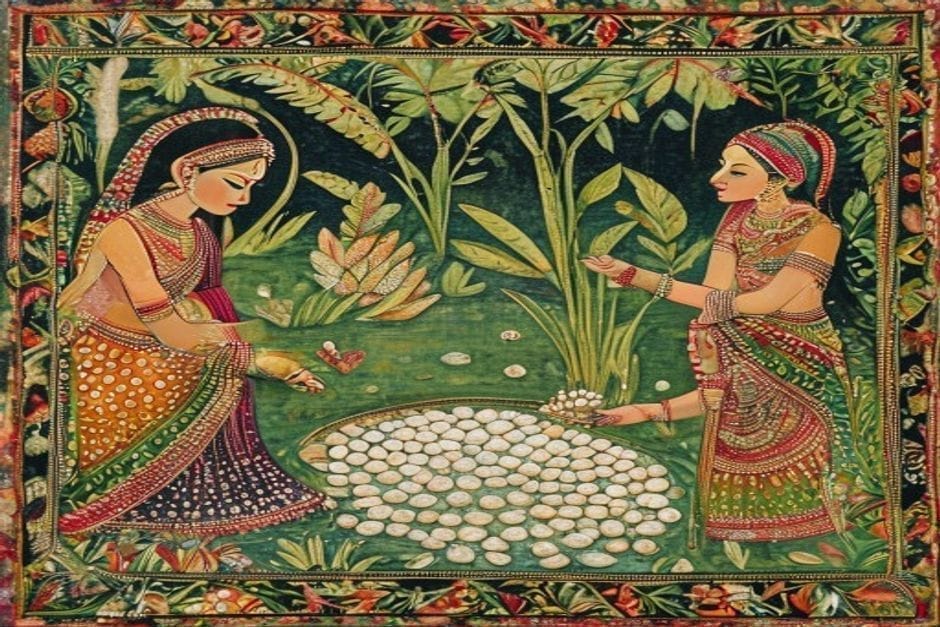
Mithila Makhana wins a GI tag
Mithila Makhana receives a Geographical Indication tag, protecting the fox-nut that grows in the region's ponds and accounts for the bulk of India's production.
- 2024 CE
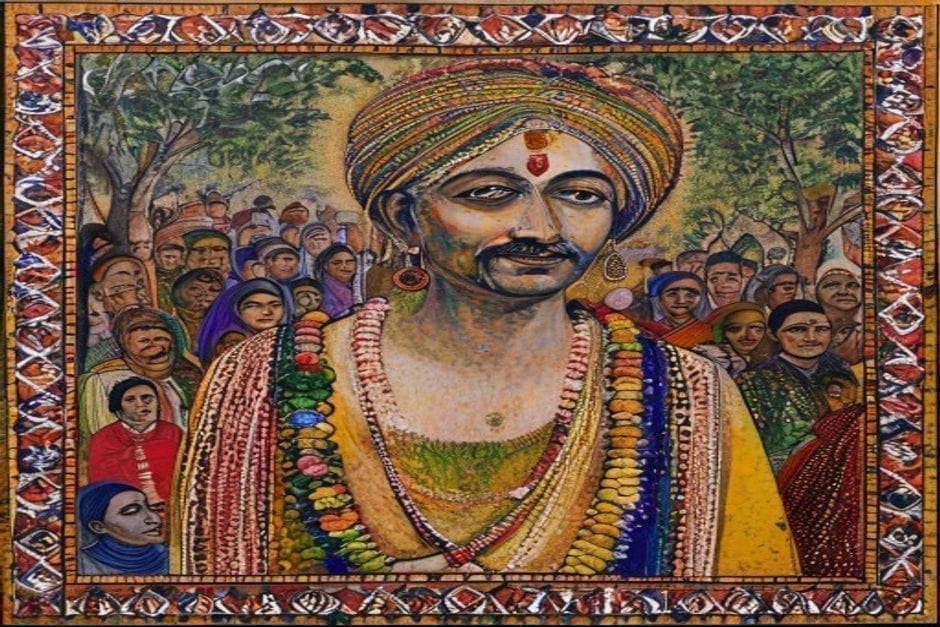
Bharat Ratna for Karpoori Thakur
Karpoori Thakur, the 'Jan Nayak' and twice Chief Minister of Bihar, is awarded the Bharat Ratna posthumously — a rare national honour for a son of the region's backward-caste movement.
- 2024 CE
The statehood demand endures
The long-running campaign for a separate Mithila state resurfaces in public debate, alongside calls for classical-language status for Maithili.