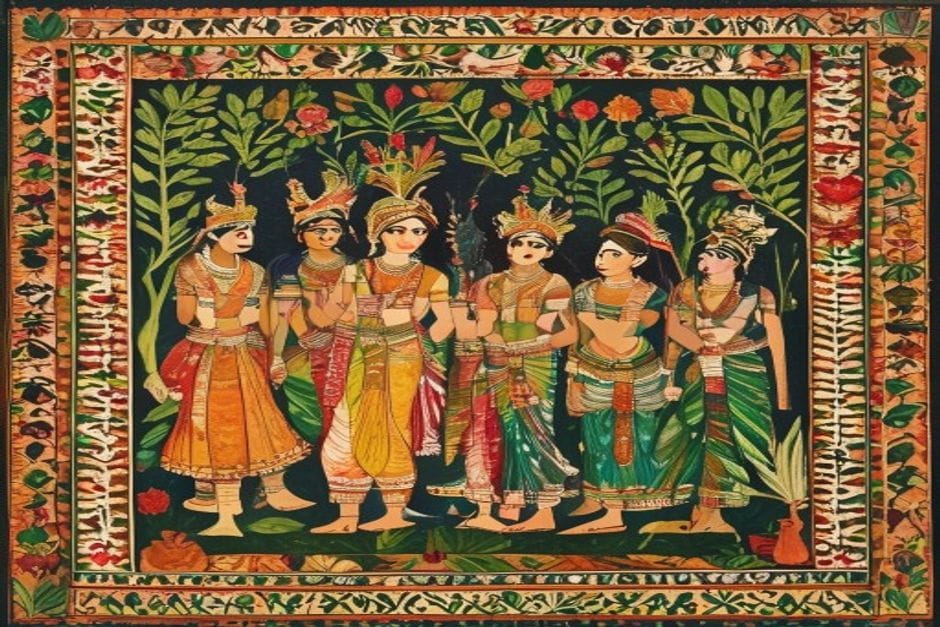
The land of Videha is the oldest layer of Mithila’s recorded past — a janapada (territorial realm) of the later Vedic age occupying the plain between the Sadanira (Gandaki) river in the west and the Kaushiki (Koshi) in the east, bounded by the Ganga to the south and the Himalaya to the north. That geography is still the footprint of cultural Mithila today, straddling north Bihar and Nepal’s eastern Tarai. The most celebrated literary account of Videha’s founding appears in the Shatapatha Brahmana (c. 8th–7th century BCE), which tells how Mathava the Videgha, led by the sage Gautama Rahugana and following the god Agni, advanced eastward across the Sadanira to settle the country — a narrative usually read as a memory of the eastward spread of Vedic culture rather than as literal history.
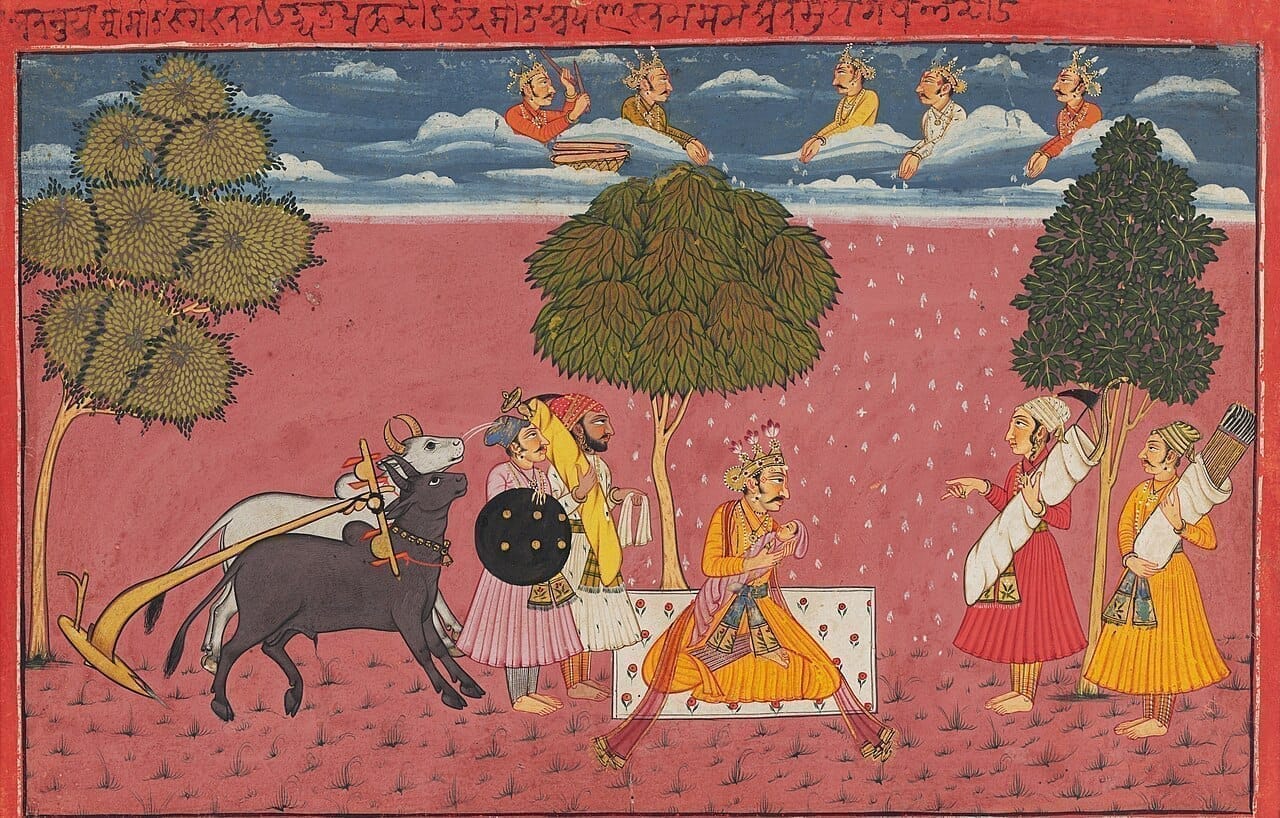
Videha is remembered above all for its line of kings titled Janaka (“progenitor”), a dynastic name rather than a single person. Late-Vedic texts — the Shatapatha Brahmana and the Brihadaranyaka Upanishad — describe a King Janaka of Videha (conventionally placed around the 8th or 7th century BCE) as a rajarshi, a philosopher-king whose capital, Mithila, became the foremost intellectual centre of its day. It is important to separate this textually attested Janaka from the King Janaka of the Ramayana (Seeradhwaja, father of Sita), who belongs to epic tradition; popular memory fuses the two, but the historical Janaka is the patron of philosophers documented in the Vedic corpus.
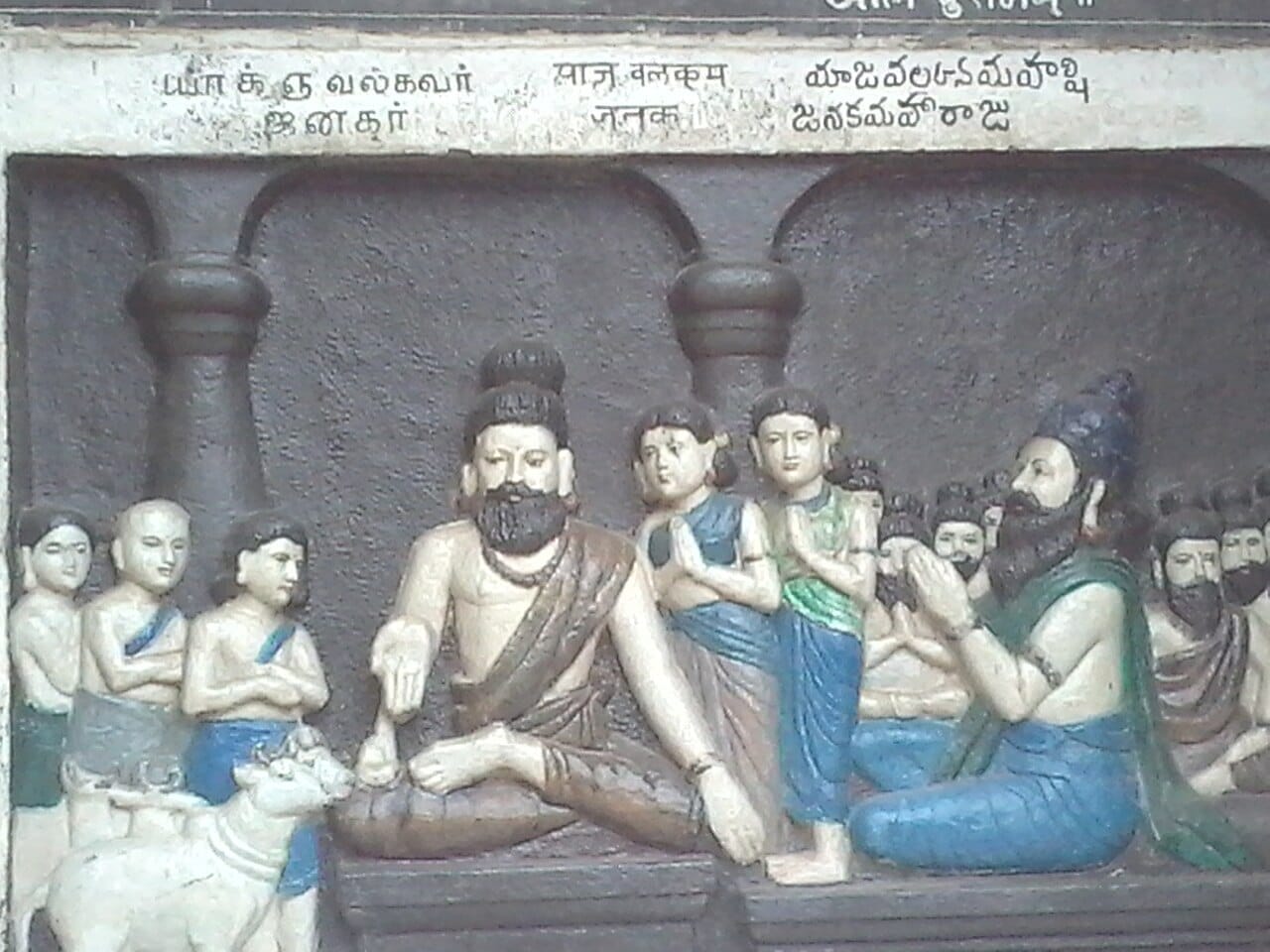
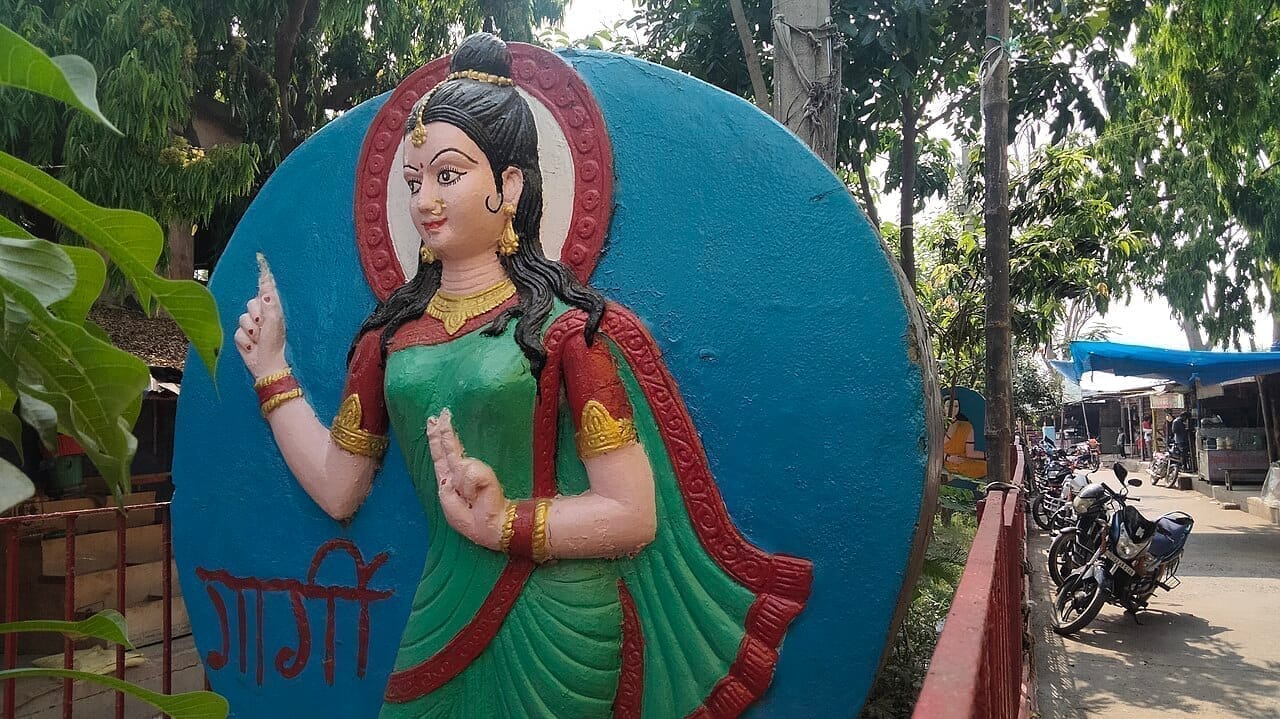
Janaka’s court is famous for its public brahmodya — formal debates on the nature of ultimate reality. Its towering figure was the sage Yajnavalkya, whose doctrine of Brahman and the imperishable Self (Atman) is preserved in the Brihadaranyaka Upanishad, and who, in the celebrated Bahudakshina sacrifice, bested every assembled scholar to claim Janaka’s prize of a thousand cows. Among his challengers was Gargi Vachaknavi, one of the earliest women philosophers on record, whose searching questions about the warp and weft of the cosmos make her a landmark figure in Indian intellectual history. The teacher Uddalaka Aruni also belongs to this milieu.
What is documented, then, is a real late-Vedic kingdom whose ruling house cultivated an extraordinary philosophical culture; what is tradition is the elaborate genealogy of fifty-odd Janaka kings and the Sita narrative, known mainly from the epics and Puranas. Around the 7th–6th century BCE, monarchy in the region gave way to the republican confederacy of the Vajji (Vrijji) league centred on Vaishali, with the Licchavis and others absorbing the old Videha territory — before Magadha’s expansion under Ajatashatru ended the experiment by the mid-5th century BCE.
The legacy of Videha is foundational: it gave Mithila its enduring self-image as a land of learning, fixed the figure of the wise, detached king — Janaka, who ruled yet remained a videha, “bodiless,” unattached — at the heart of Indian thought, and anchored the Sita tradition that still shapes the region’s festivals and pilgrimage.