After the Karnat collapse in 1324, power in Mithila passed — uniquely in Indian history — to a line of Maithil Brahmin rulers: the Oiniwar dynasty, also called the Sugauna dynasty after one of its seats, which governed the region from roughly 1325 to 1526 CE. The family took its name from the village of Oini (modern Samastipur district), granted to a scholar-ancestor by the Karnats in recognition of learning; the dynasty’s first king is usually named as Kameshwar Thakur (its lineage founder given as his forebear Nath Thakur), who emerged as ruler in the unsettled years after the Tughlaq invasion. That a Brahmin scholarly lineage should hold temporal sovereignty was extraordinary, and it bound the Oiniwar state tightly to Mithila’s reputation for vidya (learning).
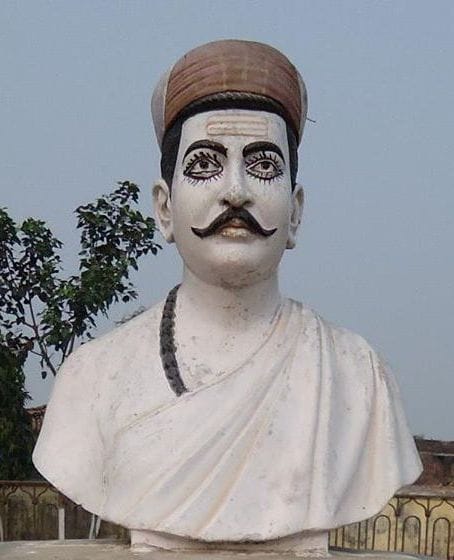
The dynasty’s roughly twenty rulers are best known through the writings of the court poet they patronised, and their individual regnal dates are debated and reconstructed rather than firmly fixed. Its most celebrated king was Shiva Singh (Shiva Simha), remembered as a warrior and as Vidyapati’s great patron; his scholarly chief queen Lakhima Devi is said to have governed Mithila for some years during his absence. Bhavasimha, Devasimha and Padmasimha also appear prominently in the line.
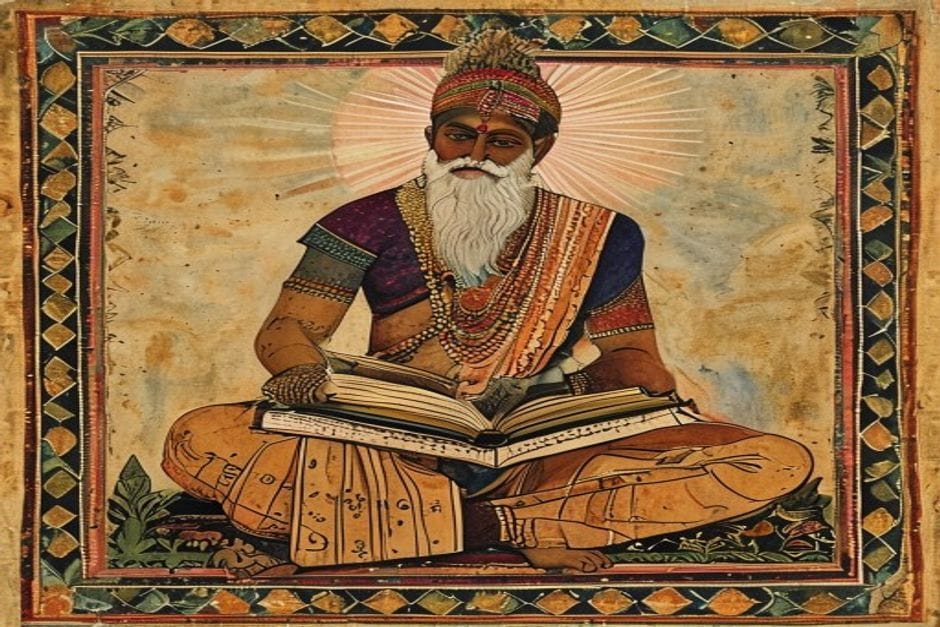
The Oiniwar age is, above all, the age of Vidyapati (c. 1352–1448), the Maithil Kavi Kokil (nightingale poet of Mithila), who served, by tradition, the courts of seven kings and two queens of the dynasty. Writing Radha–Krishna love lyrics in Maithili — sometimes identifying Krishna with Shiva Singh and Radha with Lakhima Devi — he raised the spoken language to high literature and influenced the later Vaishnava poetry of Bengal and beyond, while also composing works in Avahattha and Sanskrit (the Avahattha praise-poems Kirtilata and Kirtipataka, and the Sanskrit Purushapariksha). His era is justly called the epitome of classical Maithili.
The Oiniwar state ended in the early 16th century under pressure from the Sultanate of Bengal. The last ruler, Lakshminath Singh Deva, was killed around 1526 in conflict with Nusrat Shah of Bengal, after which Mithila lost its independent ruling house for several decades until the rise of the Khandavala (Darbhanga) line under the Mughals. What is well documented is the dynasty’s literary and scholarly patronage, preserved in surviving texts; the fuller king-lists and exact dates rest on genealogies and Vidyapati’s own writings and are treated by historians as approximate.
The Oiniwar legacy is the classical canon of Maithili itself — Vidyapati’s songs are still sung at Mithila weddings and festivals — together with the consolidation of Maithil Brahmin scholarly prestige and the Smriti tradition that shaped the region’s customary law.