Stage 1 of 5 · Eve · Satuani
Satuani — the eve & the sattu
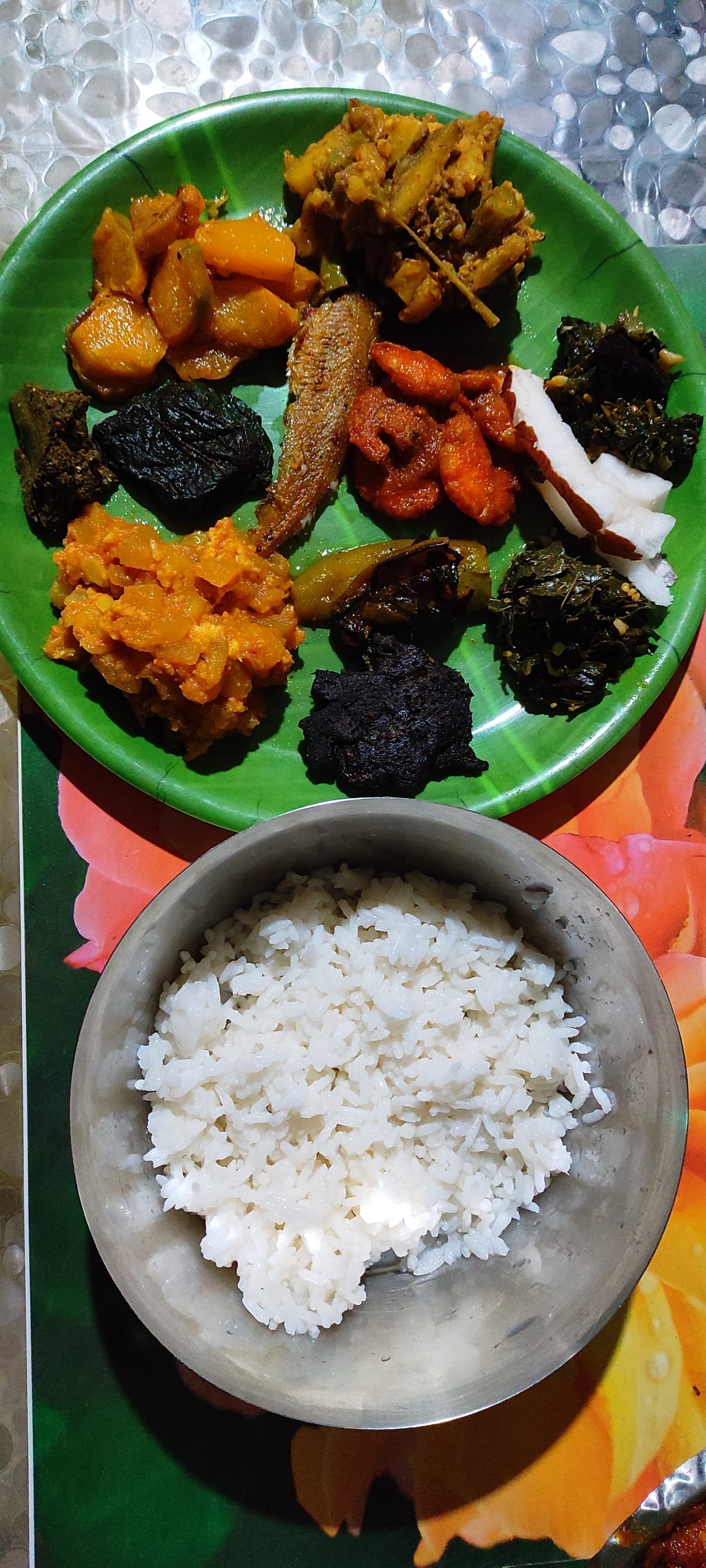
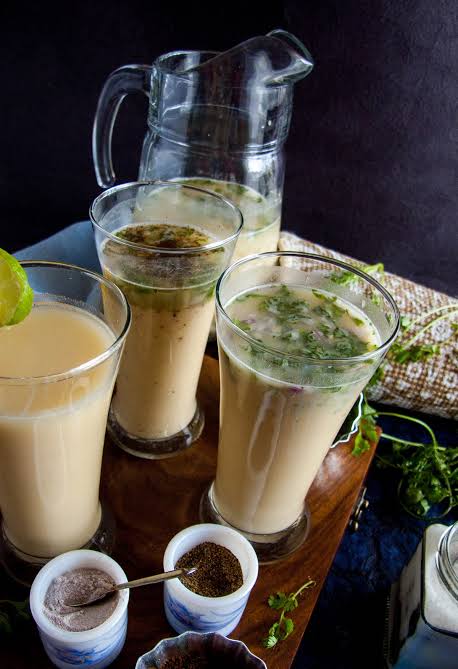
Jur Sital is the solar Maithil New Year, fixed at Mesha Sankranti when the sun enters Aries (~14 April), opening the Tirhuta Panchang. Its eve, Satuani, begins with a bath, then the day’s signature food: sattu — roasted-grain flour — mixed with water and either jaggery or salt, eaten with raw green mango, onion, cucumber and a flaxseed or mango chutney.
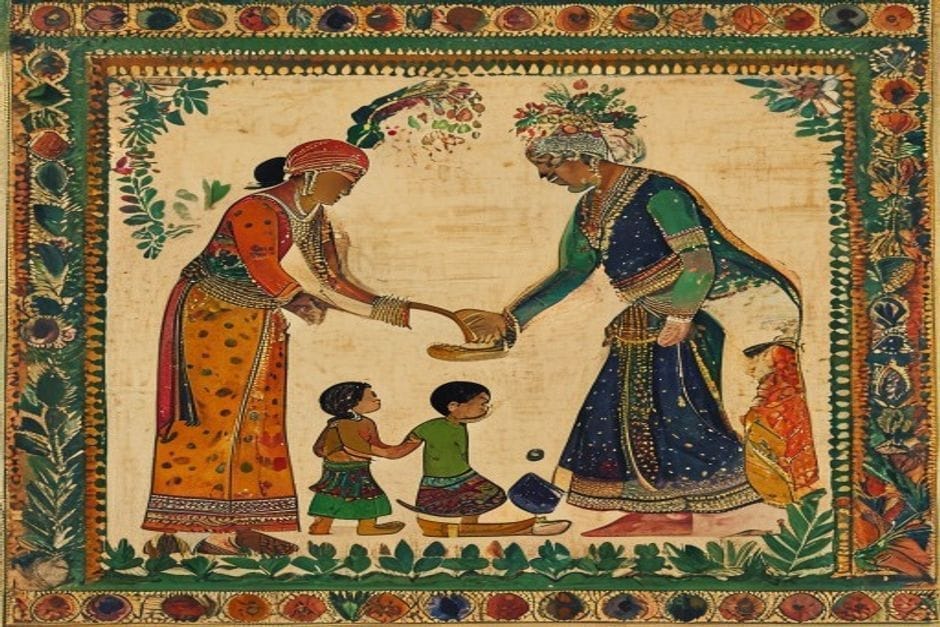
It is a day of giving: sattu, green mangoes, water and earthen pots are donated to Brahmins and the poor. Crucially, this is also when the next day’s food is cooked and rice set to soak overnight — the bridge into Jur Sital.
विधि · The rite, step by step
- Households bathe (a river dip where possible) on Mesha Sankranti morning.
- Sattu is eaten — mixed with water and jaggery or salt — with raw mango, onion, cucumber and a flaxseed/mango chutney.
- Sattu, green mangoes, water and earthen pots are donated to Brahmins and the needy.
- The next day’s food is cooked in advance and rice is set to soak overnight.
Across communities In core Mithila, Satuani = Mesha Sankranti (~14 April); South Bihar sometimes keeps the sattu-and-charity day at the close of Chait. It belongs to the great family of solar new years — Vaisakhi, Pohela Boishakh, Bohag Bihu, Puthandu, Vishu — and in Nepal aligns with the Vikram Samvat new year.
What is used
Sattu (roasted gram/barley flour)water, jaggery & saltraw green mango, onion & cucumberflaxseed (tisi) chutneyearthen pots for donation
Meaning
The sun into Ariescooling sattucharity of food & watercooking ahead for the morrow