𑒧𑒱𑒟𑒱𑒪𑒰
Mithila
सीताक भूमि · एक प्राचीन सभ्यताक घर
एकर माटि, कला, पाबनि आ लोकक सचित्र गाइड।
Images: Wikimedia Commons — see credits
मिथिला की आ कतय अछि
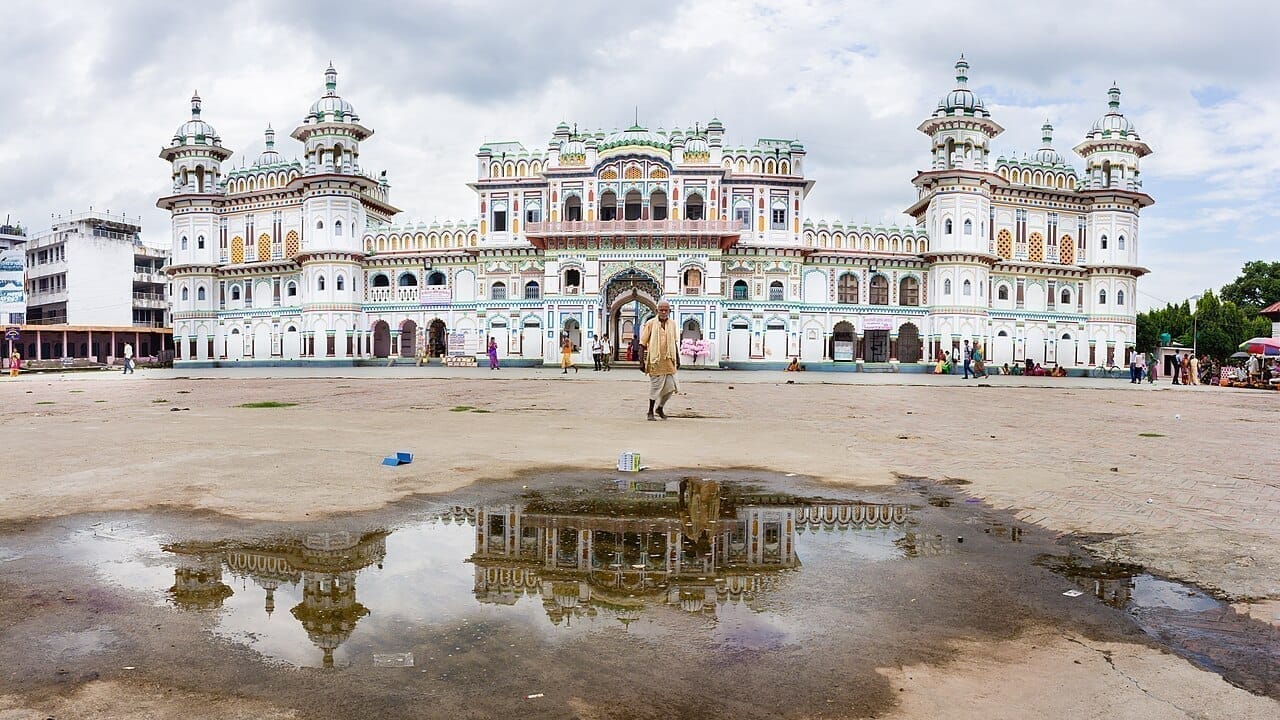
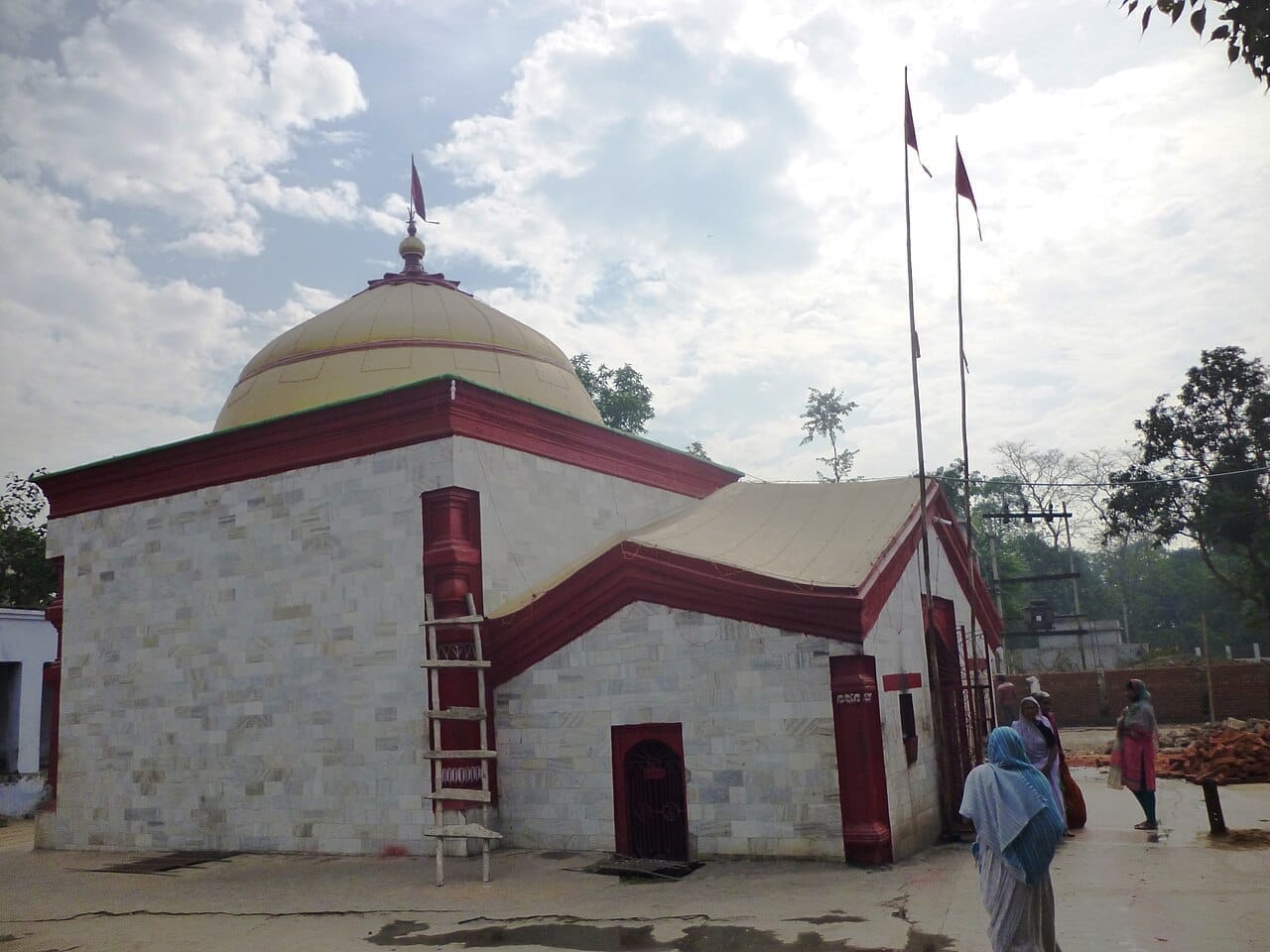
मिथिला — जकरा मिथिलांचल वा तिरहुत सेहो कहल जाइत अछि — भारतक उत्तर बिहार आ नेपालक मधेश मैदान धरि पसरल एक प्राचीन सांस्कृतिक क्षेत्र थिक। ई सीताक भूमि, मैथिली आ तिरहुता लिपिक उद्गम, आ मधुबनी चित्रकलाक घर थिक।
- ~17M Maithili speakers
- 700+ years of Panji records
- 90% of India's makhana
- 2 nations, one culture
- Temple
- Palace
- Venue
- Heritage
- Natural
- Museum
मिथिला केँ जानू
-
पंचांग
जीवन्त मैथिली पंचांग — आजुक तिथि-नक्षत्र, वर्ष भरिक पाबनि-एकादशी, आ विवाह, उपनयन, मुंडन ओ घरबासक शुभ मुहूर्त।
-
इतिहास
विदेह राज्य आ राजा जनक सँ कर्णाट, ओइनवार आ दरभंगा राजवंश धरि।
-
कला आ शिल्प
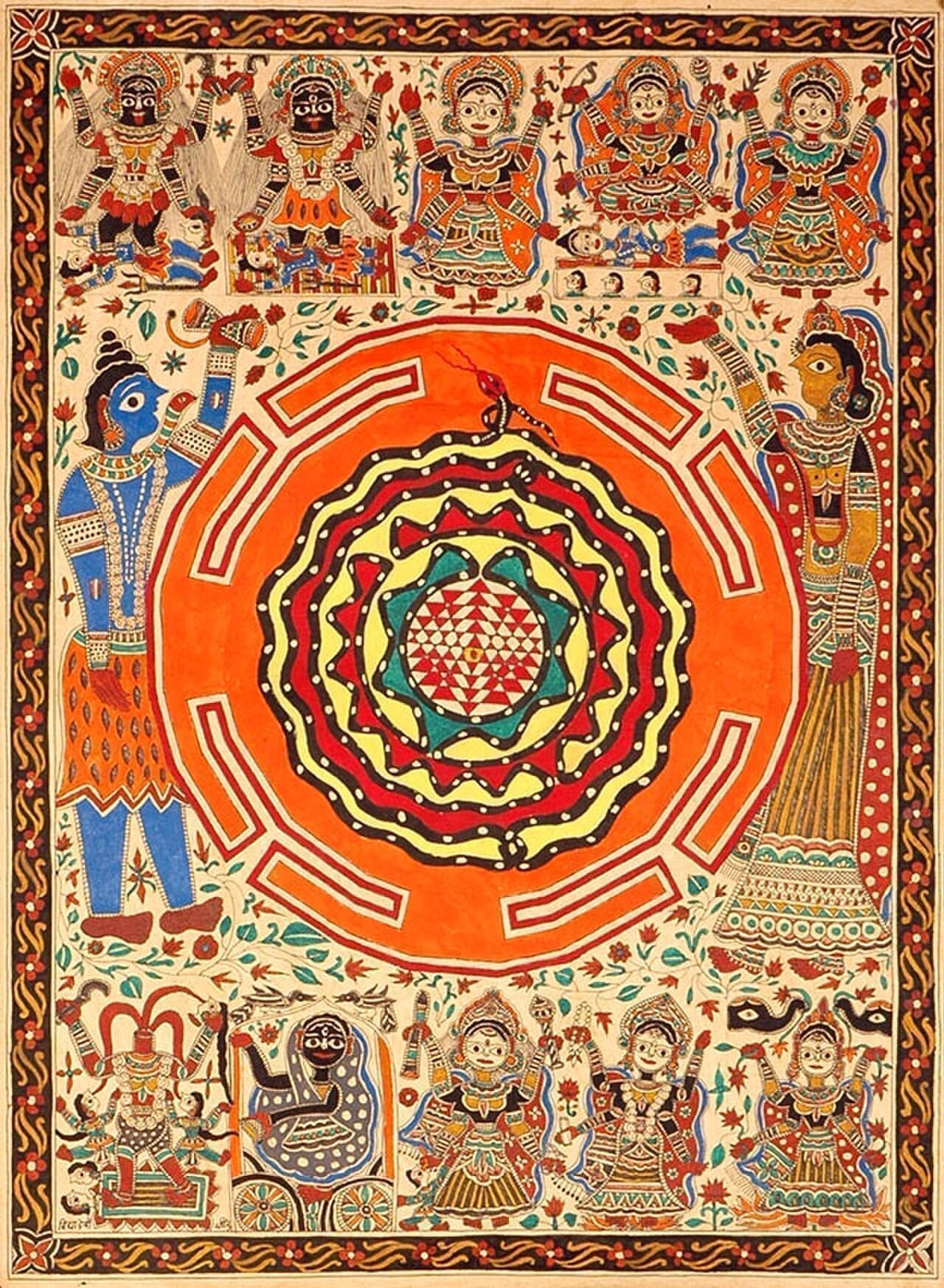
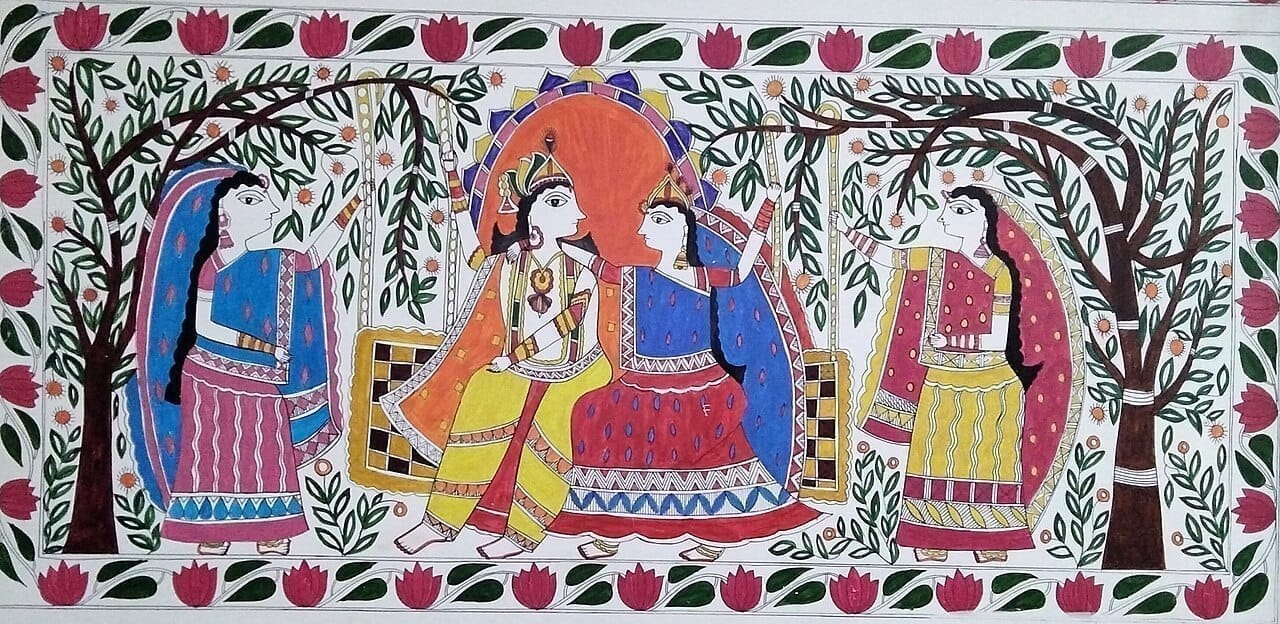
मधुबनी चित्रकला — भरनी, कचनी, गोदना, कोहबर — आ सिक्की, सुजनी आ ओकर कलाकार।
-
भाषा
मैथिली, तिरहुता (मिथिलाक्षर) लिपि, विद्यापति आ पंजी वंशावली।
-
पाबनि-तिहार
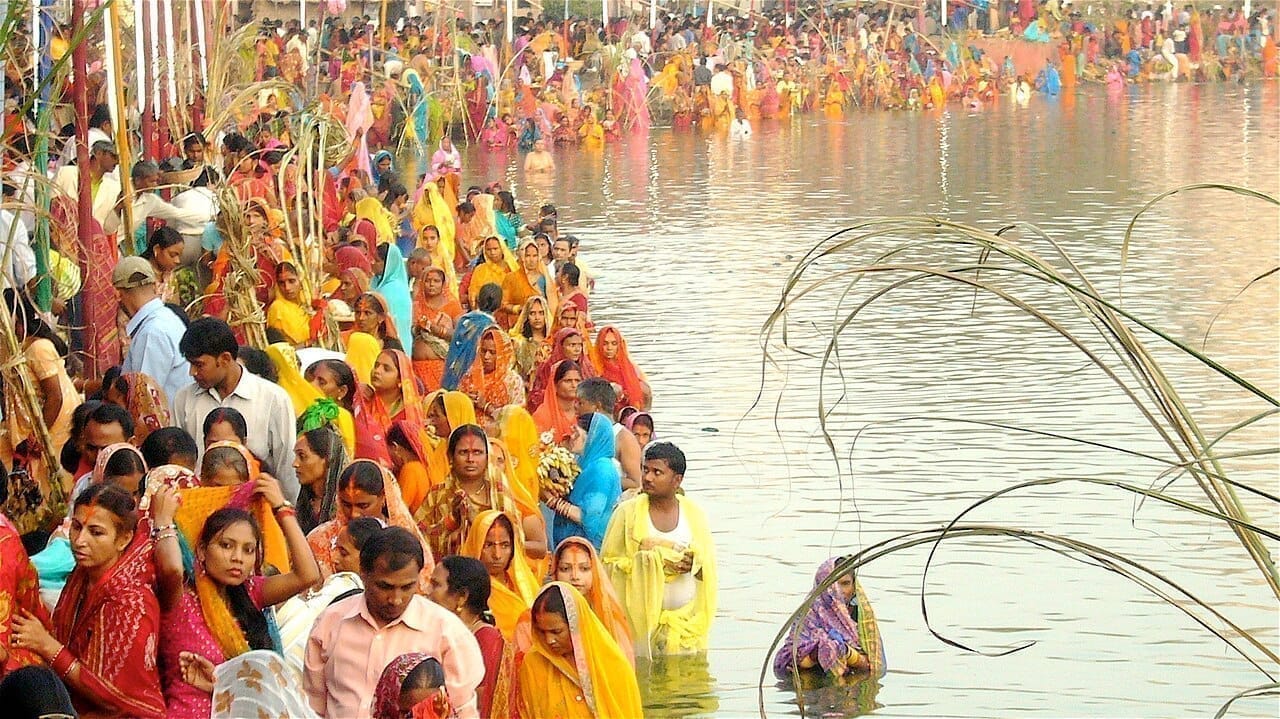
छठि, सामा-चकेबा, जुड़शीतल, कोजागरा आ मैथिल वर्षक ताल।
-
रीति-रेवाज
मैथिल विवाह, उपनयन, मुंडन, कोहबर आ पंजी विवाह प्रणाली।
-
भोजन
मखान, ठेकुआ, दही-चूड़ा, तरुआ आ कहबी: माछ, पान, मखान।
-
स्थान आ पर्यटन
जनकपुर, सीतामढ़ी, दरभंगा, उग्रतारा आ 15-दिनक मिथिला परिक्रमा।
-
विभूति
ऋषि याज्ञवल्क्य आ विद्यापति सँ शारदा सिन्हा, कर्पूरी ठाकुर आ मनोज बाजपेयी धरि।
-
जीवंत संस्कृति
मैथिली सिनेमा, लोक संगीत, सलहेस आ गोनू झाक कथा, आ राज्य आन्दोलन।
-
गाम
एक बढ़ैत, नक्शा-योग्य सूची — बिस्फी, जितवारपुर, सौराठ आ ओहि सँ आगाँ।
मिथिलाक कला
की अहाँ जनैत छी?
मिथिलाक विभूति
-
 royalty
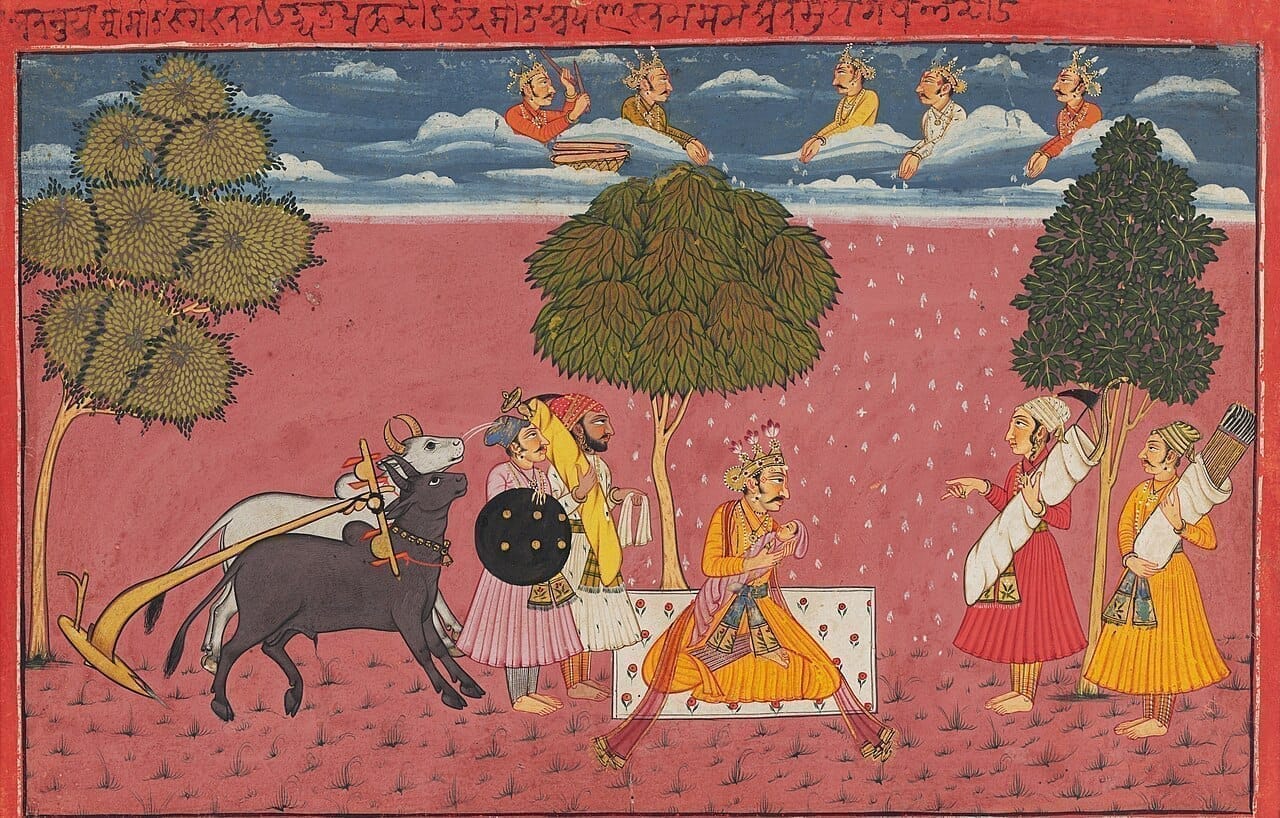
King Janaka
The philosopher-king of Videha, father of Sita, whose court was a fountainhead of Indian thought.
-
 literature
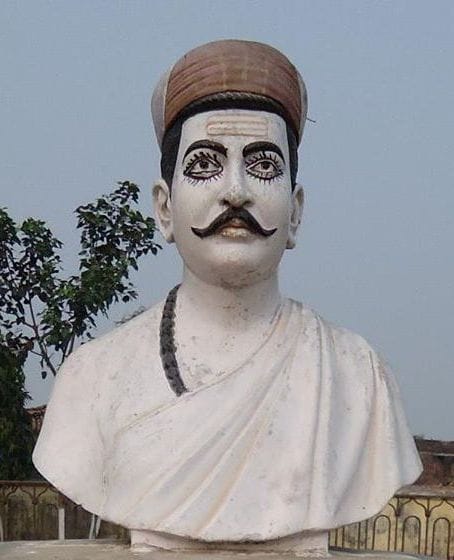
Vidyapati
The "Maithil Kavi Kokil" whose love-songs turned Maithili into a literary language and inspired Tagore.
-
 politics
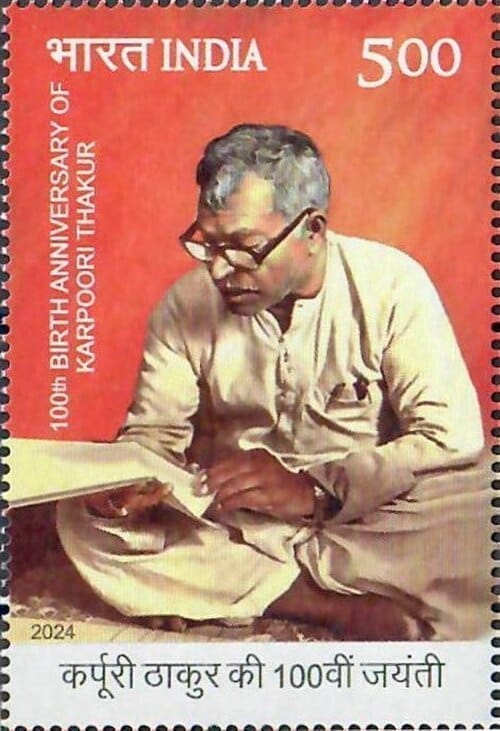
Karpoori Thakur
The twice Chief Minister of Bihar — "Jan Nayak" — whose backward-class reservations reshaped its politics.
-
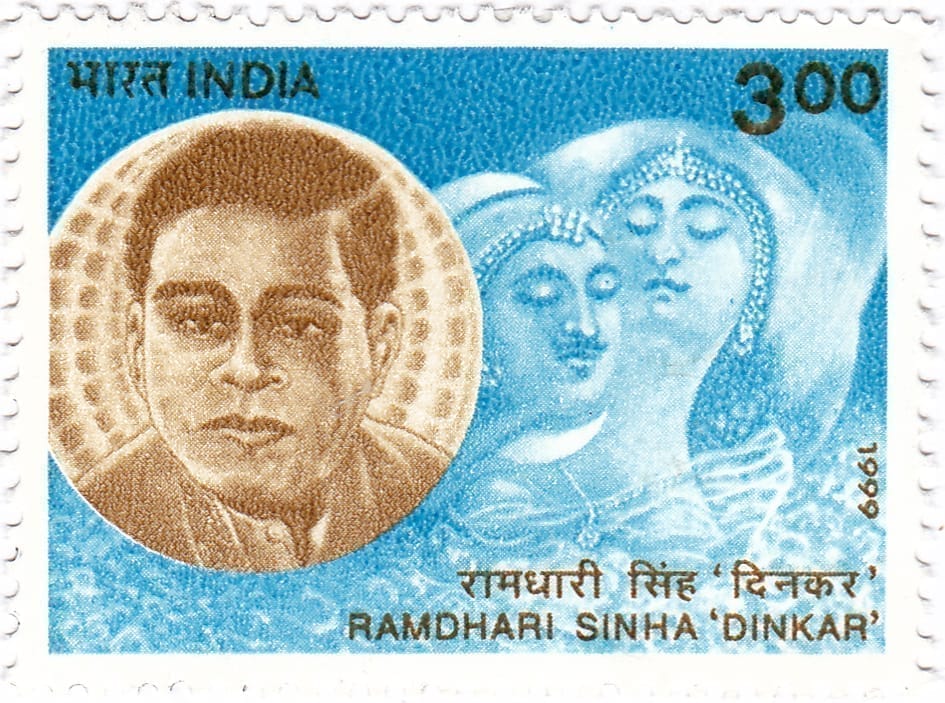 literature
Ramdhari Singh Dinkar
The "Rashtrakavi" — national poet — whose verse fired the freedom struggle and after.