Stage 1 of 5 · Day 1 · Nahay-Khay
The holy bath & first pure meal
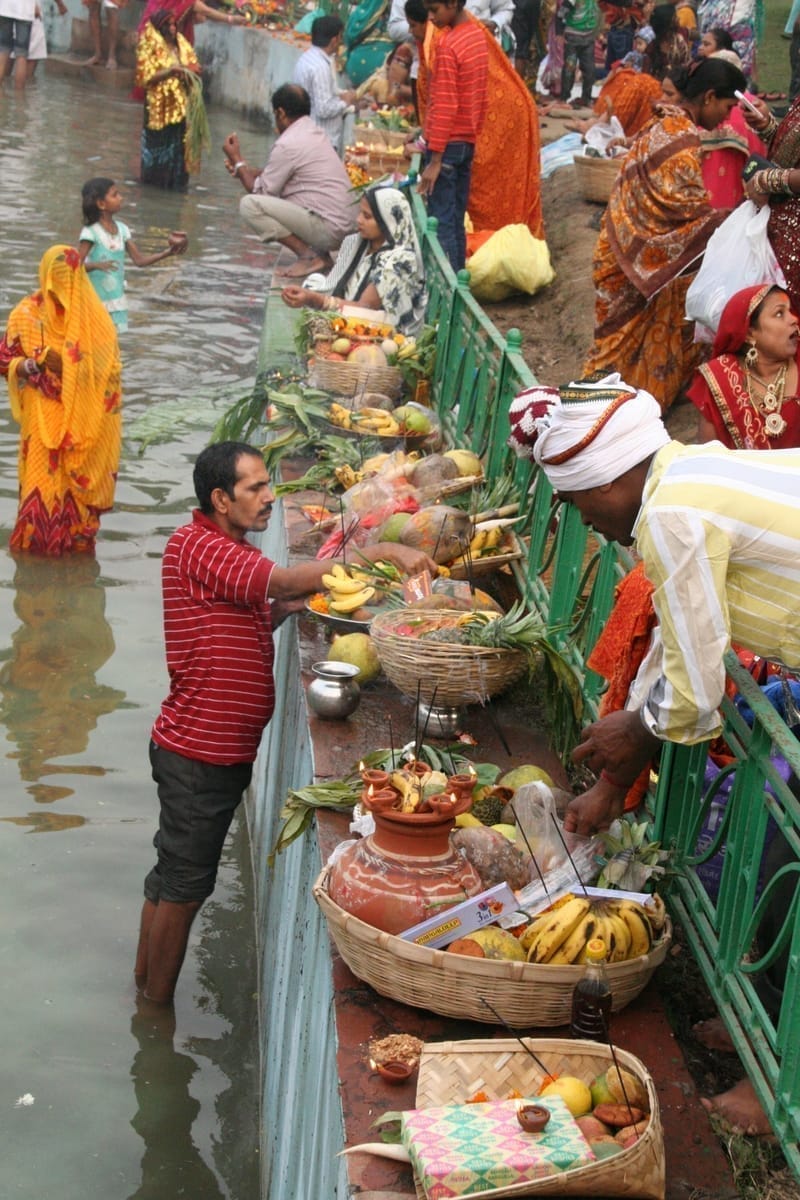
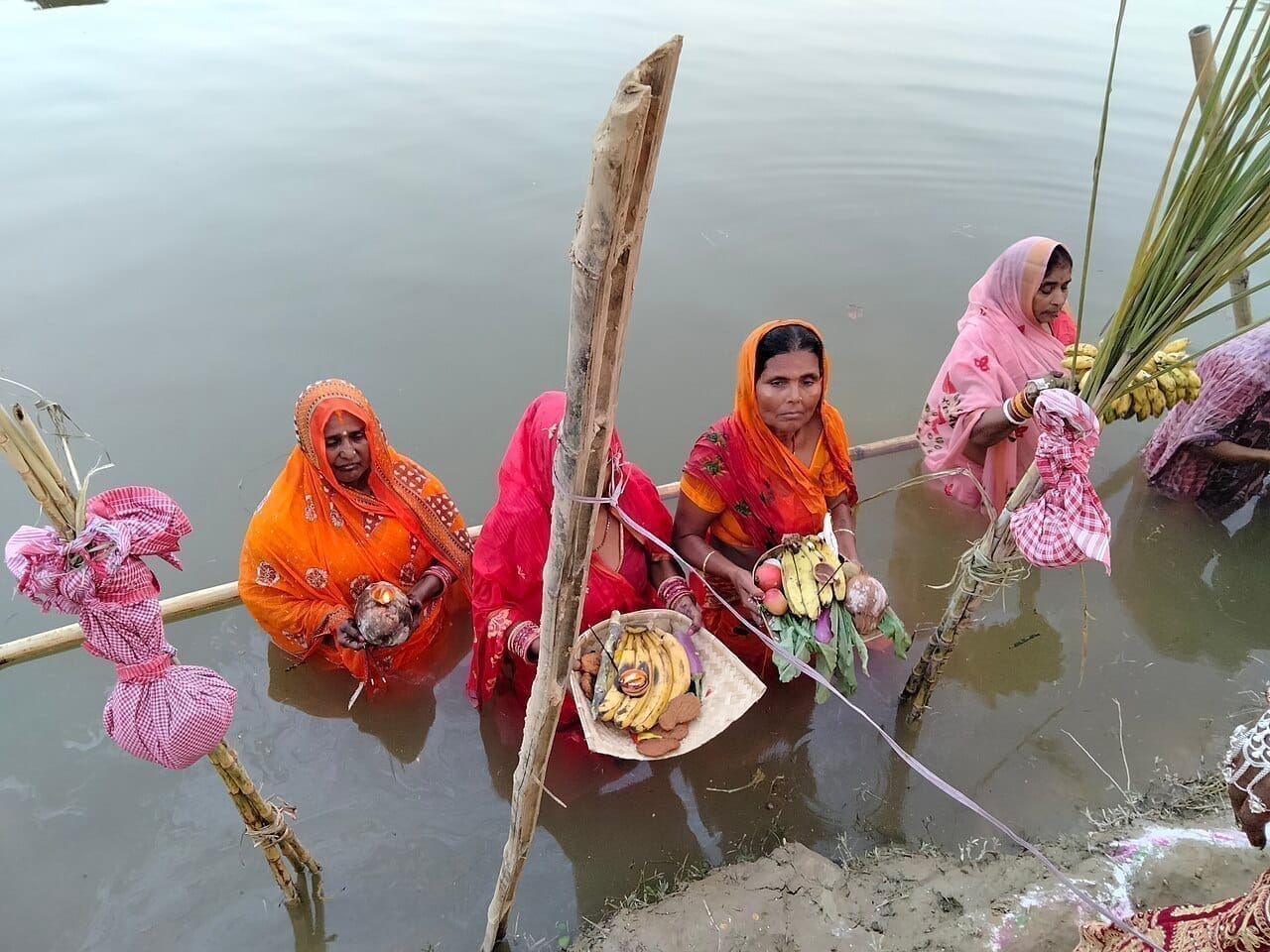
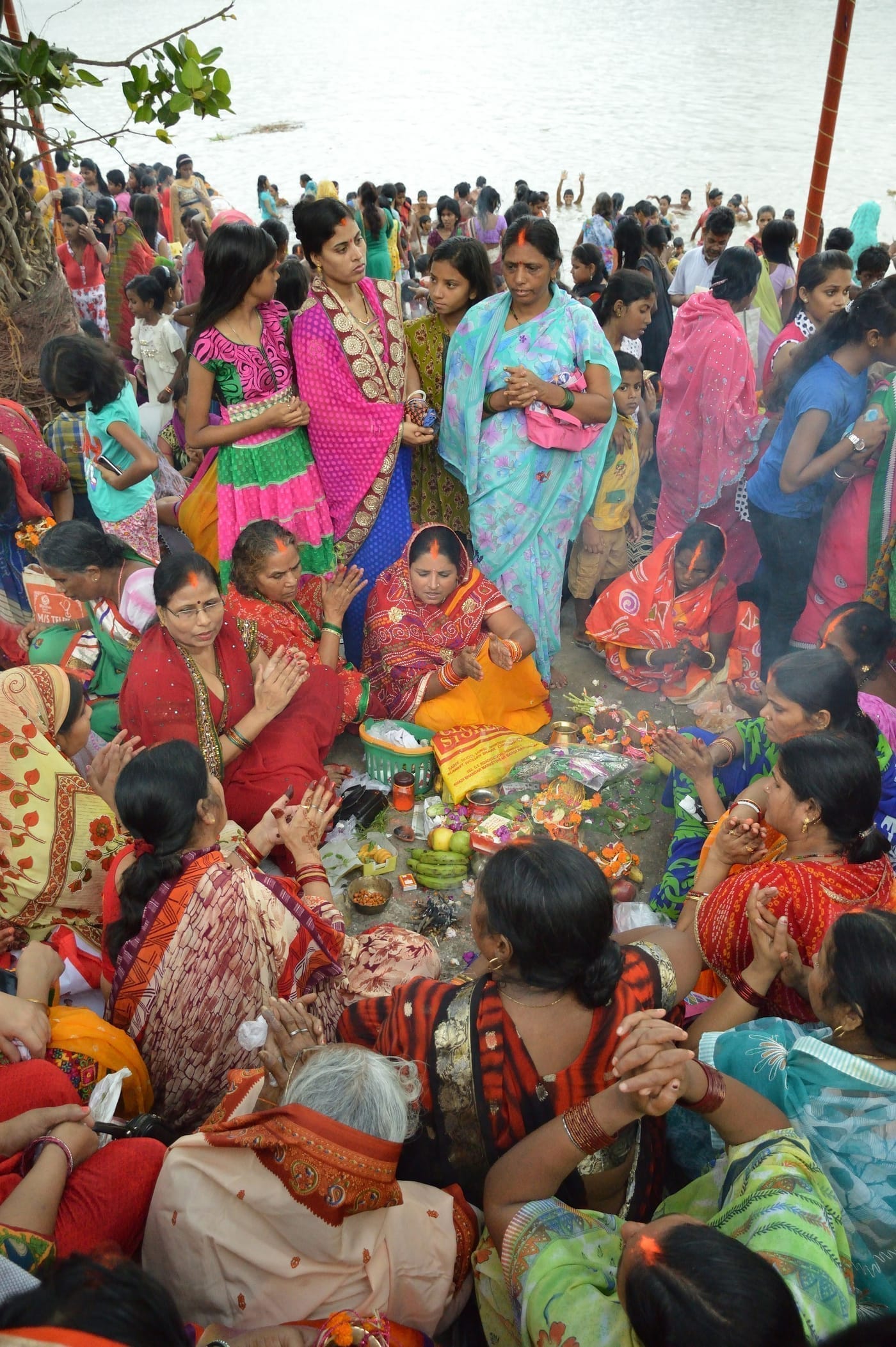
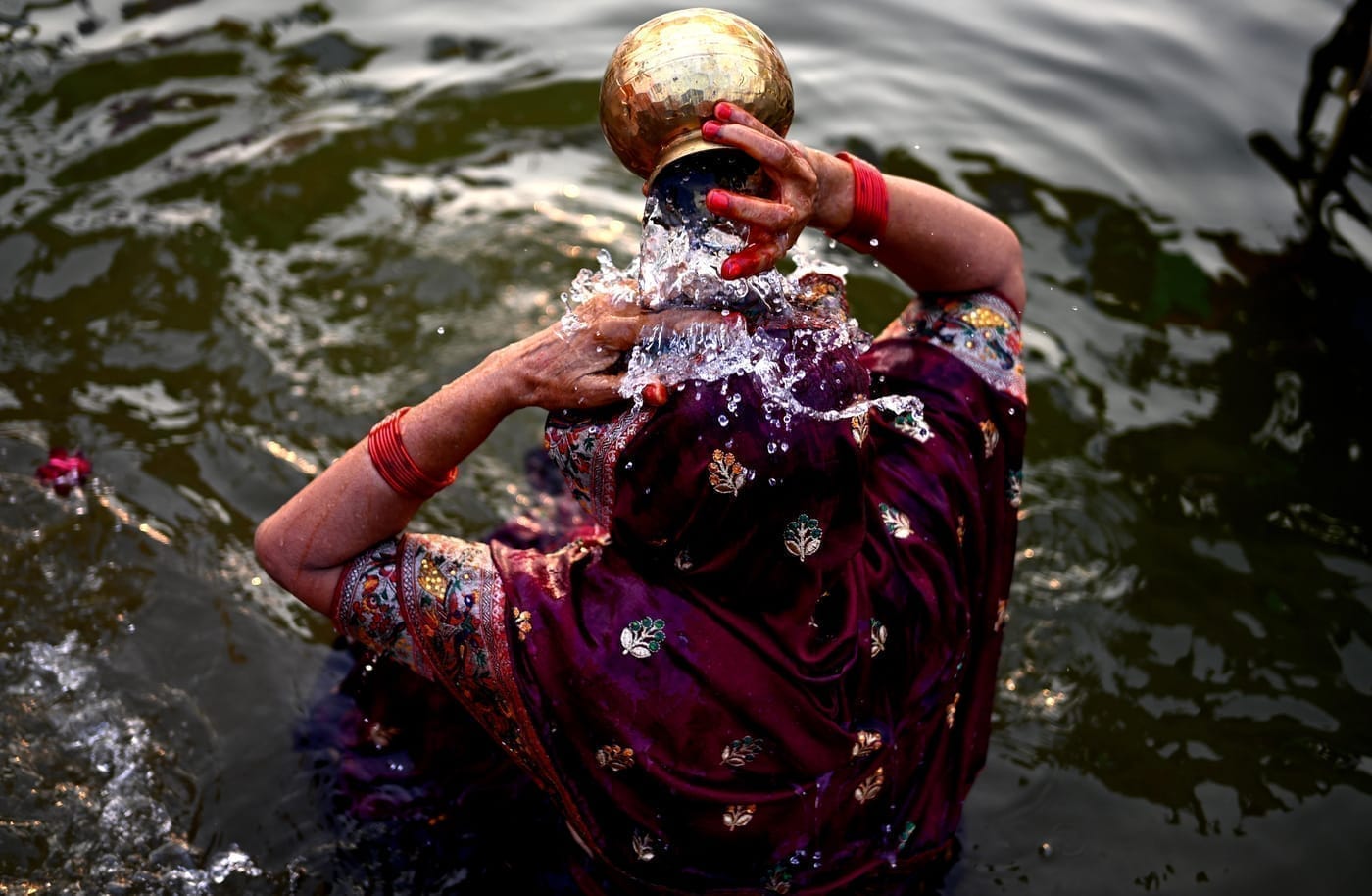
Chhath opens on Kartik Shukla Chaturthi with Nahay-Khay (“bathe-and-eat”). At dawn the vratin — the faster, most often a woman, though men keep it too — bathes in the Ganga or the nearest river or pond, and carries holy water home to cook in.
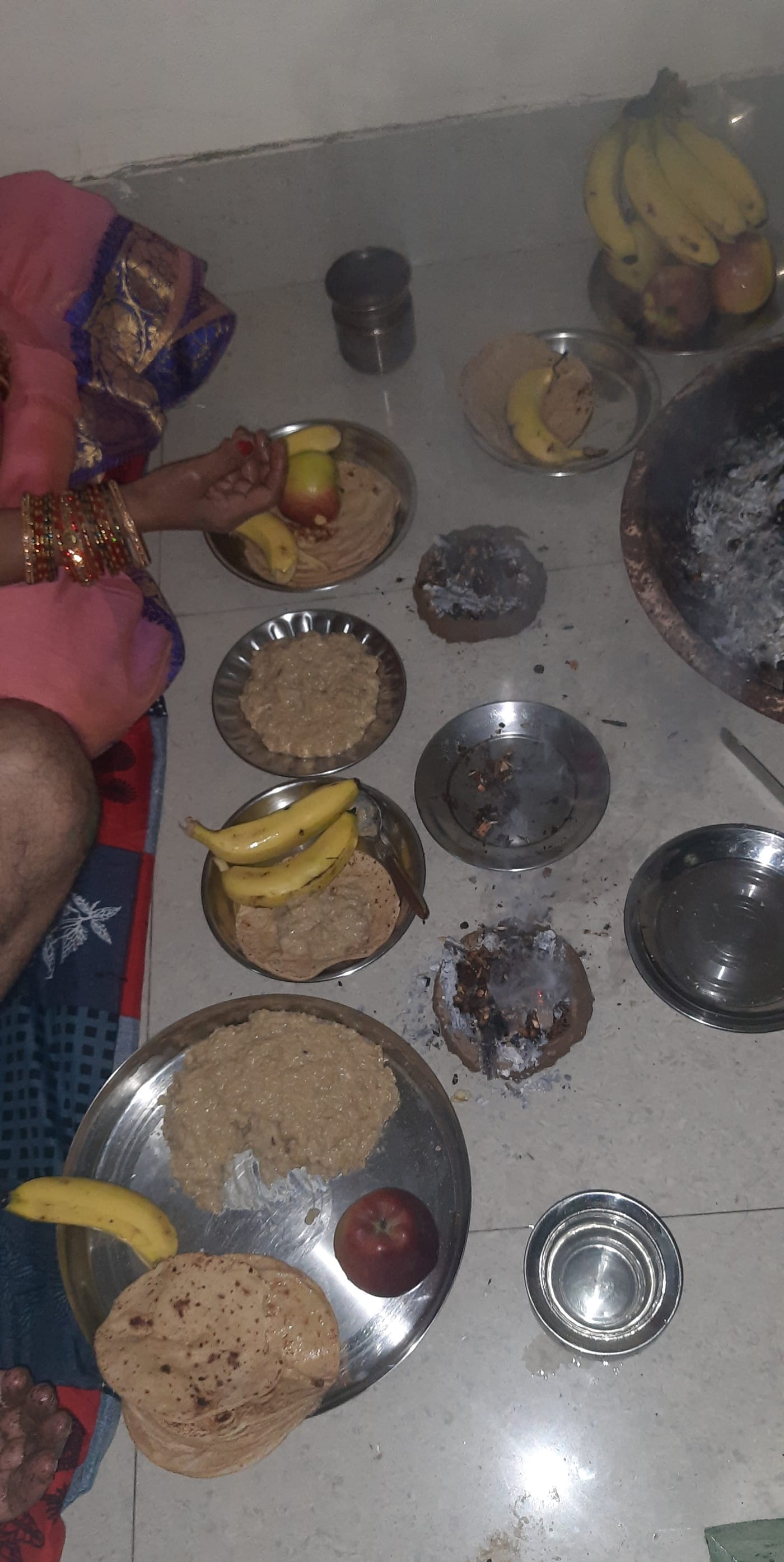
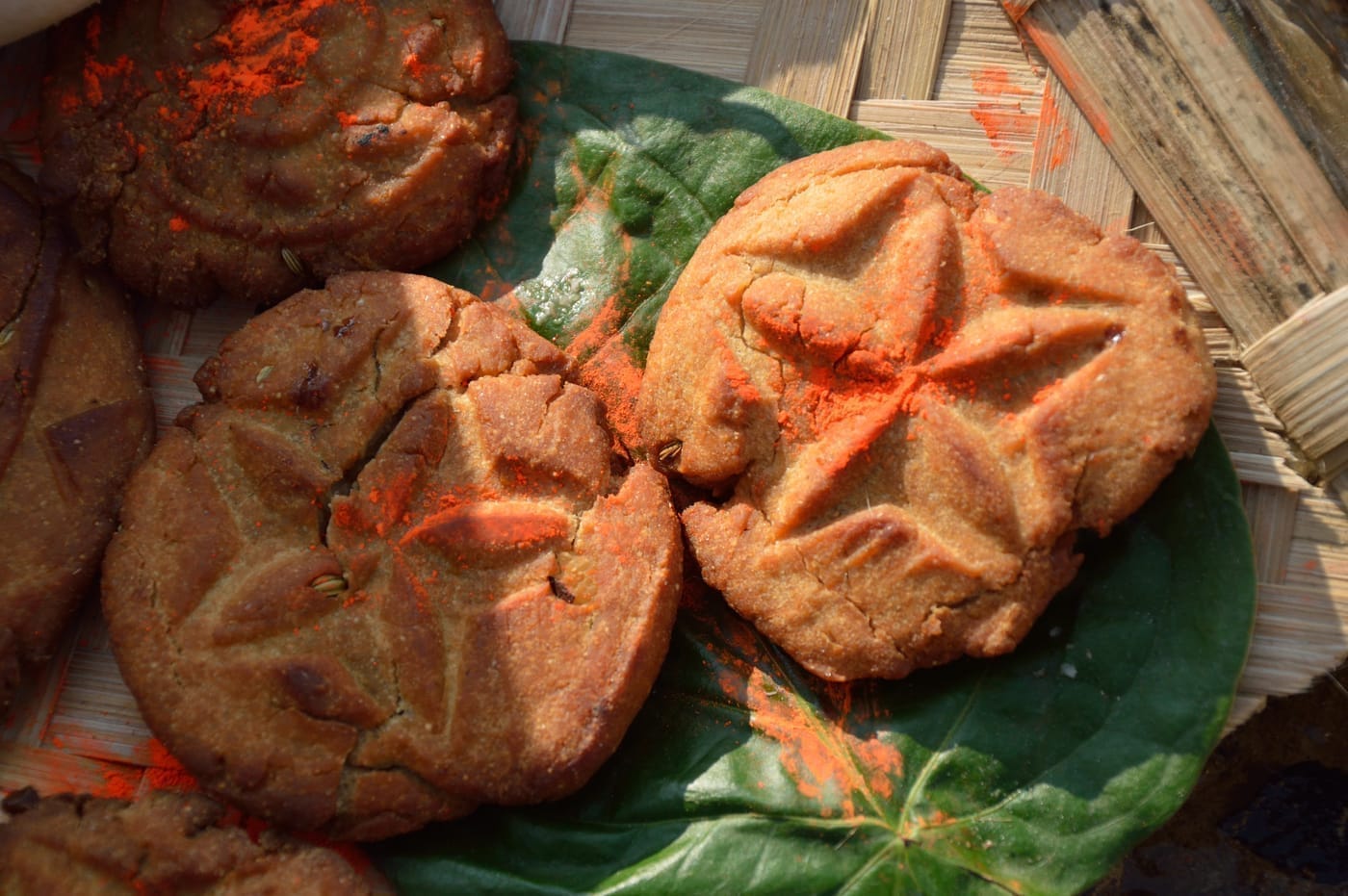
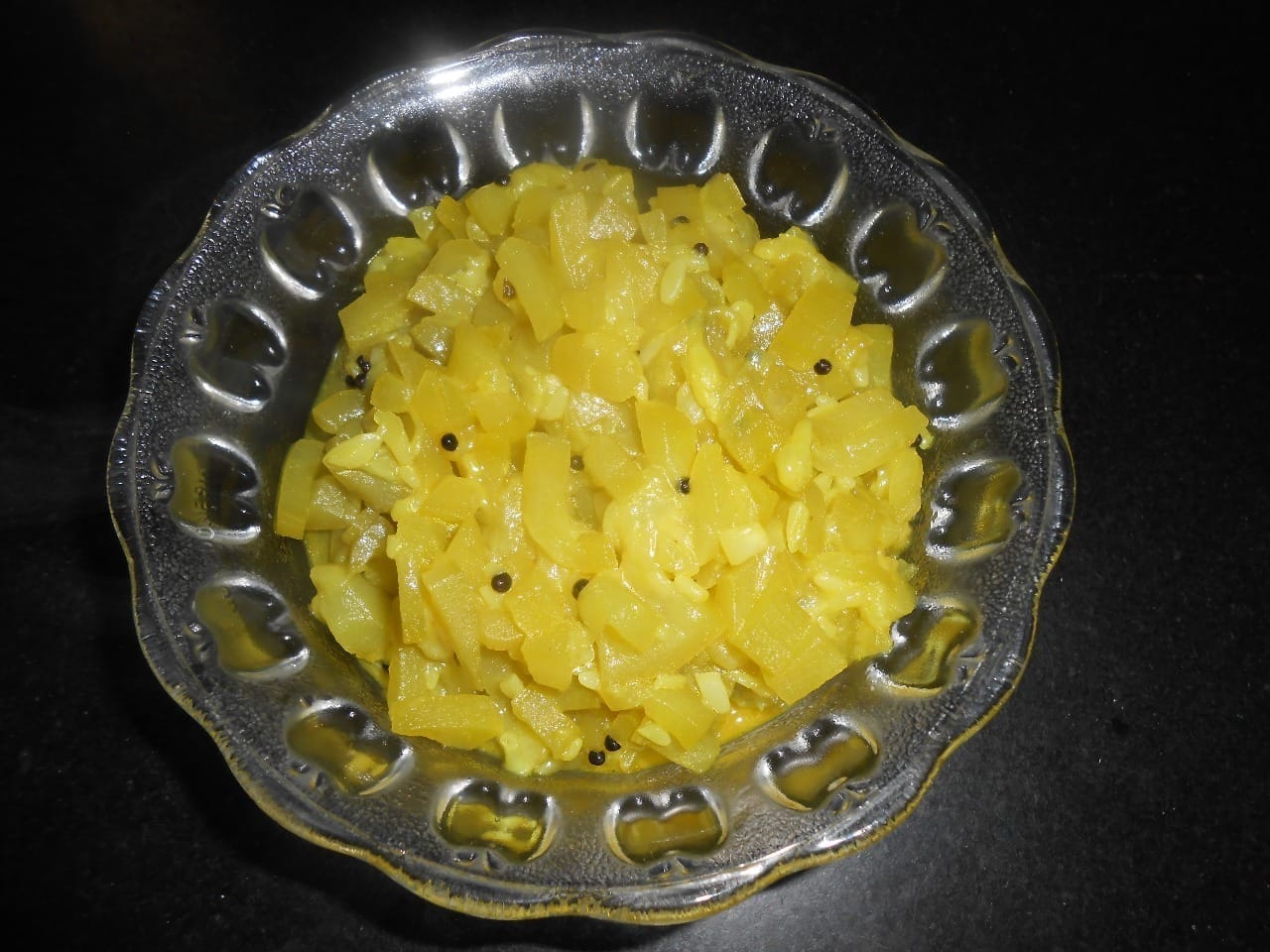
The house, kitchen and the path to the ghat are scrubbed and purified, and the day’s single sattvik meal is cooked on a fresh mud stove over a mango-wood fire in bronze or earthen vessels — the classic kaddu-bhat: bottle-gourd with chana dal and arwa rice, rock salt only, no onion or garlic. With this last full meal the household enters four days of strict purity.
विधि · The rite, step by step
- At dawn the vratin bathes in a river or pond and carries holy water home to cook with.
- The home, kitchen and the path to the ghat are deep-cleaned and purified.
- Kaddu-bhat (bottle-gourd, chana dal, arwa rice) is cooked on a mud stove over a mango-wood fire in bronze/earthen vessels — rock salt only, no onion or garlic.
- The vratin eats this one sattvik meal after offering it; the family eats the same after.
गीत · Songs of this moment
- Preparation geetlight Maithili Chhath geet are sung while cleaning and cooking — “Hey Chhathi Maiya” and “Darshan di ho na Dinanath”
Across communities In Mithila the day is Nahay-Khay and the dish kaddu-bhat; the bath is in the Kosi, Kamla, Gandak or Ganga. Urban and diaspora families substitute a spotless kitchen and stored Gangajal. The summer Chaiti Chhath (Chaitra) keeps the same structure but is far harder, so fewer observe it.
What is used
River/Ganga water & a kalashbronze & earthen vesselsa mud chulha & mango woodbottle-gourd, chana dal, arwa ricerock salt
Meaning
Purity as the gatewaythe last full mealpost-harvest thanksgiving to the Sun